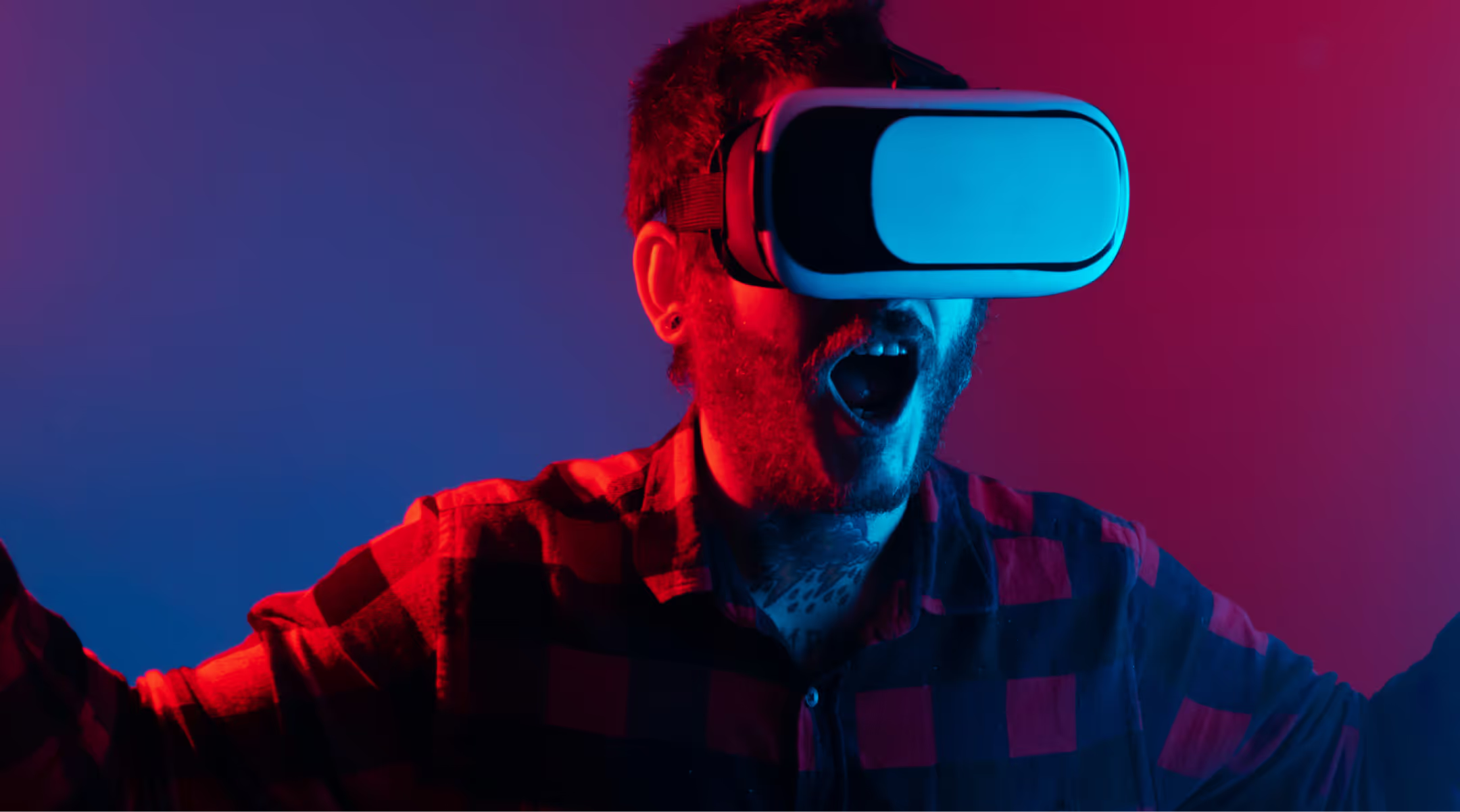
Immersive interfaces that keep users engaged, informed, & entertained:







Structuring content and information to enable seamless discovery and intuitive digital experiences for media audiences.
Media & entertainment industry is on the cusp of exponential expansion, owing to rise of OTT platforms & use of digital media as a direct result of pandemic restrictions.
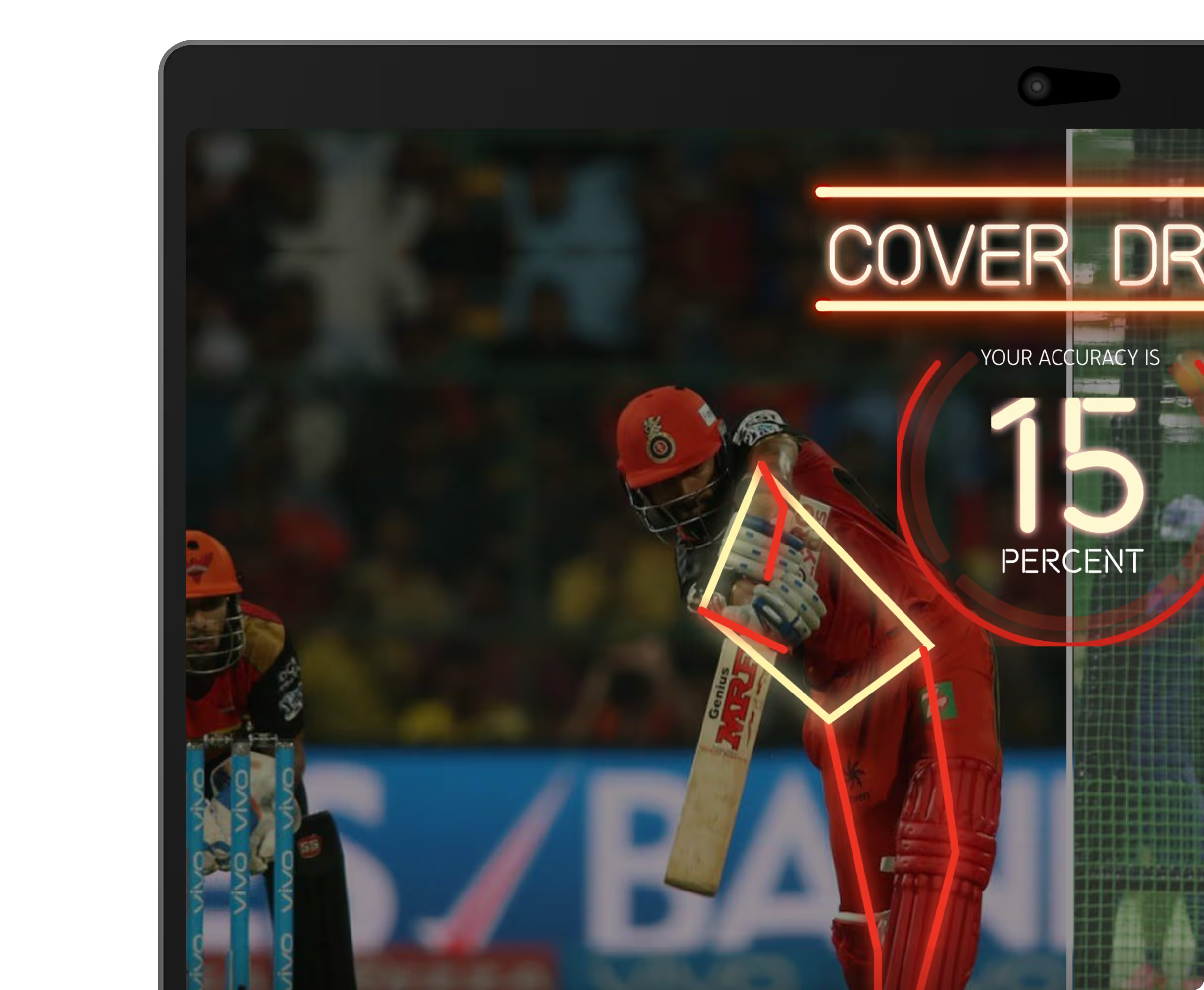
Google, Twelfth Man
Structuring content and information to enable seamless discovery and intuitive digital experiences for media audiences.
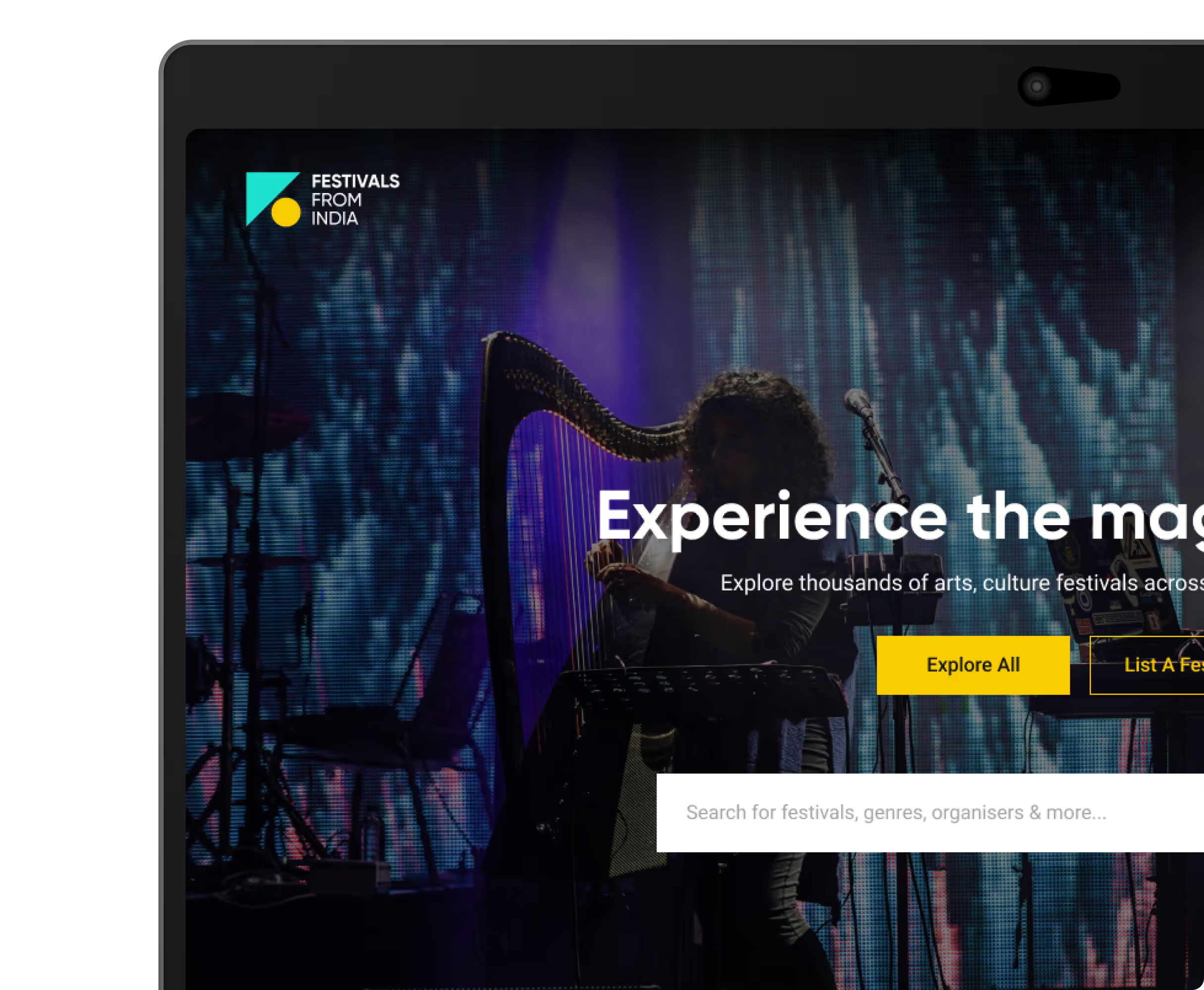
Google, Adda
Structuring content and information to enable seamless discovery and intuitive digital experiences for media audiences.
Augray, Semnox
Structuring content and information to enable seamless discovery and intuitive digital experiences for media audiences.
Google, Adda
Driving engagement through high-impact digital experiences.
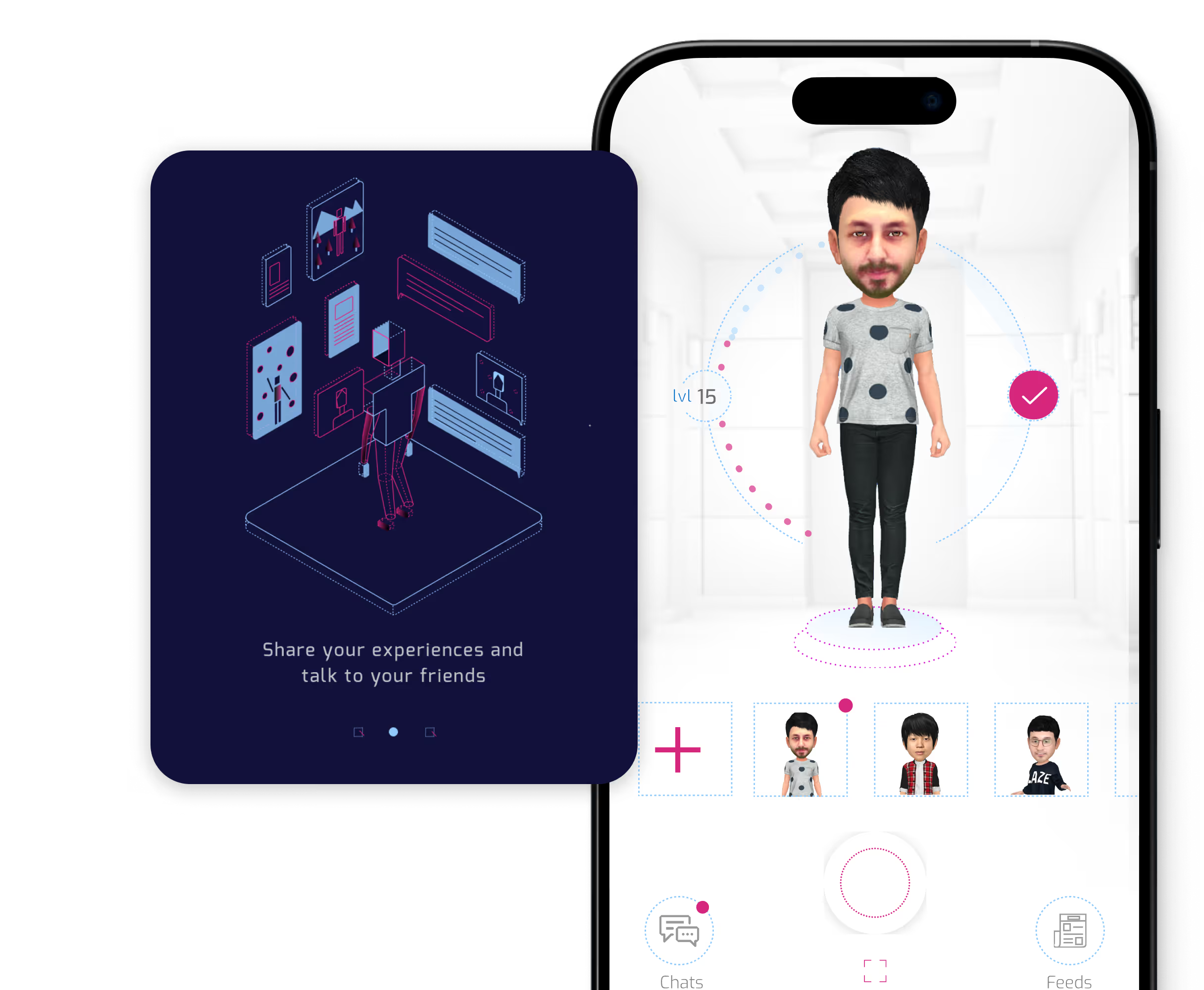
Registered users of Adda 52.
Countries impacted by Semnox.


Media & Entertainment design focuses on crafting user experiences that make content discovery, engagement, and consumption simple, compelling, and emotionally resonant. It combines UX, visual storytelling, interaction design, and platform strategy to keep users coming back for more.
In entertainment products, strong design boosts user satisfaction, engagement metrics, and long-term loyalty by reducing friction and enhancing delight.
UX design helps users find relevant content quickly and enjoyably, regardless of how large a library or catalog might be. Thoughtful navigation, personalization signals, and contextual recommendations make experiences feel curated rather than random. Key UX aspects that improve engagement include:
1. Smart categorisation and filtering of content
2. Clear visual cues that guide exploration
3. Personalised recommendations based on behaviour
Great design helps users feel understood and valued by anticipating needs, reducing effort, and aligning content delivery with user preferences. When interfaces are easy to use and experiences feel personally relevant, users return more often and stay engaged longer. Design elements that support retention include:
1. Personalised home screens and playlists
2. Engagement cues that highlight new or trending content
3. Seamless playback continuity across devices
Strong design isn’t just aesthetically pleasing — it directly supports key business goals like increased viewing sessions, longer session durations, higher subscription conversions, and reduced churn. When users find value quickly and enjoyably, they are more likely to advocate for the product and invest in premium offerings. Other measurable benefits of quality design include:
1. Higher average engagement time per user
2. Better conversion from free to paid tiers
3. Stronger brand recall and influencer traction
Designing for media and entertainment involves balancing visual richness with performance, handling diverse content types (videos, podcasts, articles, live streams), and supporting discovery without overwhelming users. Creators also must account for device diversity, accessibility needs, and user attention patterns. Designers typically navigate challenges such as:
1. Managing media load times without sacrificing quality
2. Creating intuitive navigation for deep content libraries
3. Designing for both passive and active engagement modes