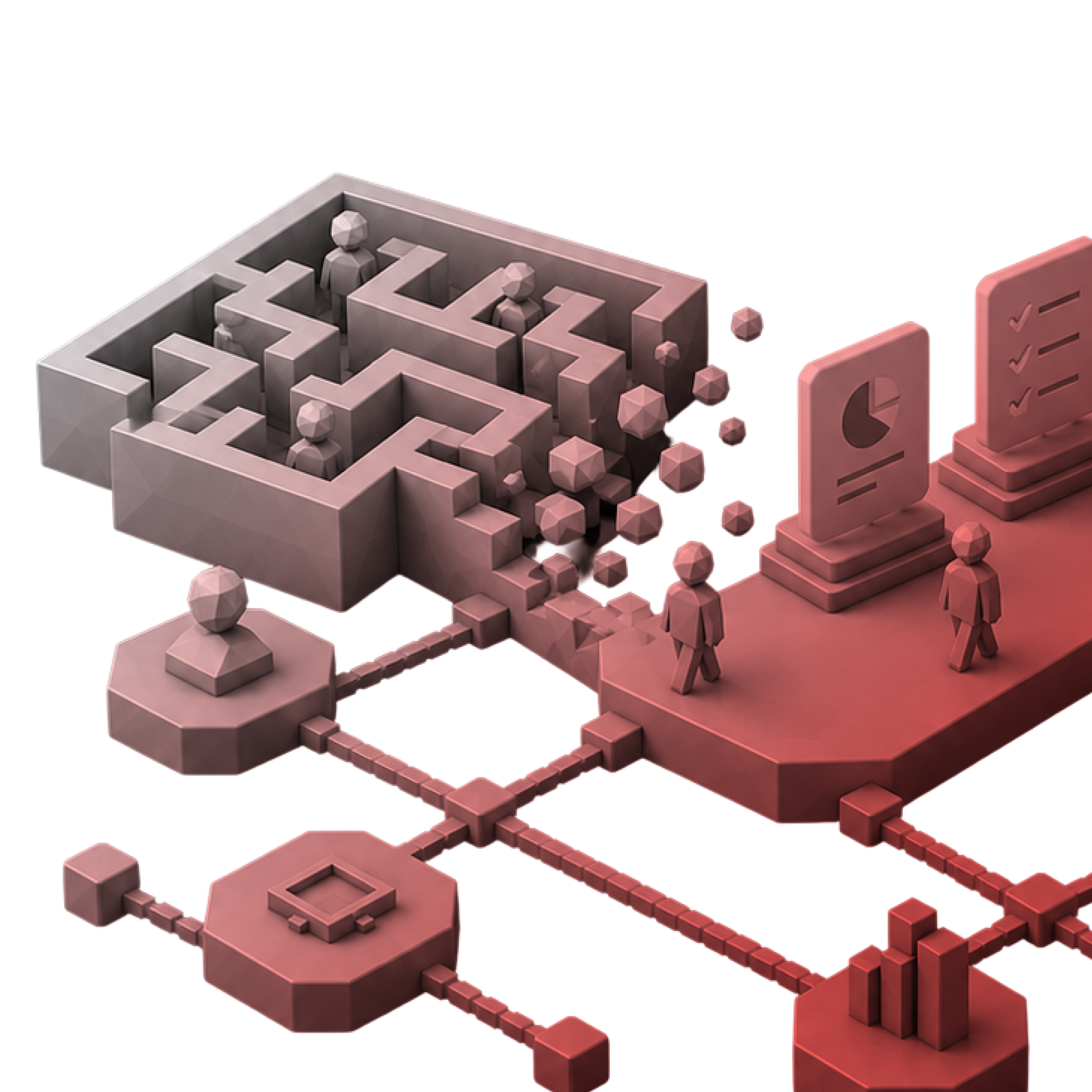
From scalable ecosystems to customer‑centric interfaces, our work spans the spectrum of mobile & telecom experiences — reflected in the diverse brands we’ve partnered with to simplify connectivity and enhance service engagement:




Enabling telecom companies to modernize systems into agile platforms with data‑driven design, preparing them for higher growth and adaptability.
Forging impactful, strategic design ideas that trigger innovation across channels and enrich customer engagement.
InMobi, Huawei
Incorporating on‑field user research to understand diverse behaviors and deliver intuitive experiences.
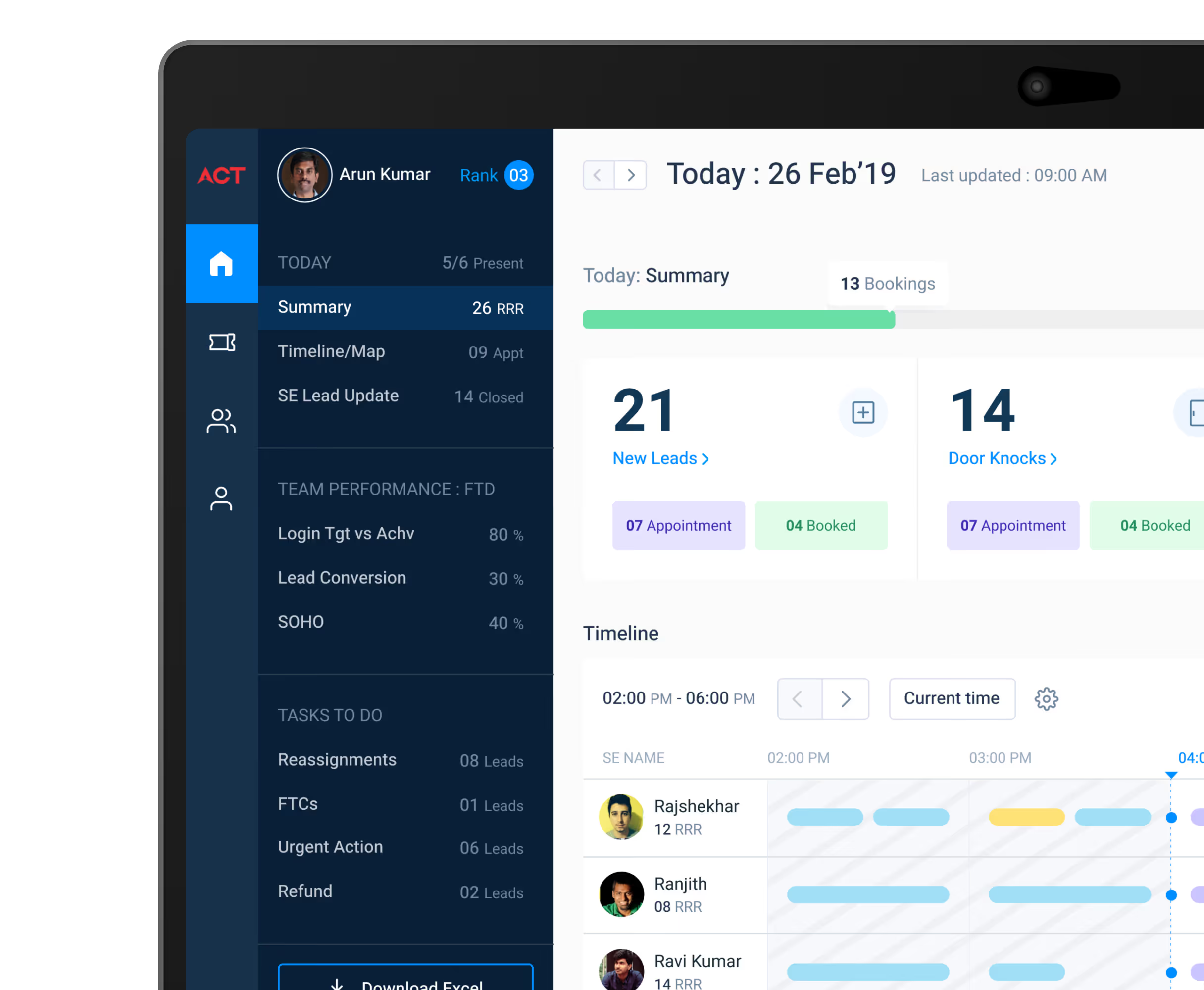
ACT, InMobi
Leveraging analytics to inform interfaces that resonate with real user preferences and optimize interactions.
Huawei, InMobi
Our Work Enables Scalable Technology for Millions of Users.
homes powered by ACT’s advanced technology.


NetBramha Studios demonstrated top-notch design and development skills throughout, delivering minimalist yet highly functional designs that matched the client’s vision. The team provided daily updates and utilized Figma to share their progress with the client.


Mobile & Telecom UX design focuses on creating seamless digital experiences for telecom services such as mobile apps, customer portals, billing systems, and network management platforms. It ensures users can easily manage services like plans, payments, and device settings without confusion.
Well-designed telecom products reduce friction in everyday tasks and improve overall customer satisfaction. For telecom providers with millions of users, even small UX improvements can significantly impact retention and service adoption.
UX design simplifies complex telecom services so customers can quickly access information, manage plans, and resolve issues without needing support. A well-designed interface reduces frustration and increases trust in the service. Key UX improvements for telecom platforms include:
- Clear dashboards for usage, billing, and plan management
- Simplified onboarding and SIM activation processes
- Fast support access through chat, FAQs, or guided flows
These improvements help telecom providers handle large user bases more efficiently while enhancing customer satisfaction.
Telecom platforms often manage complex systems including billing engines, network data, and customer management tools. Designers must ensure these systems remain usable for both end customers and internal teams.
Another challenge is designing experiences that scale to millions of users while maintaining speed, reliability, and clarity across devices and network conditions. Balancing technical complexity with simple user journeys is one of the core challenges in telecom UX design.
Telecom products are evolving rapidly as technologies like AI, voice interfaces, and immersive interfaces become more common. Modern telecom experiences focus on personalization, automation, and proactive service delivery. Some important design trends include:
- Voice User Interfaces (VUI) for hands-free interactions
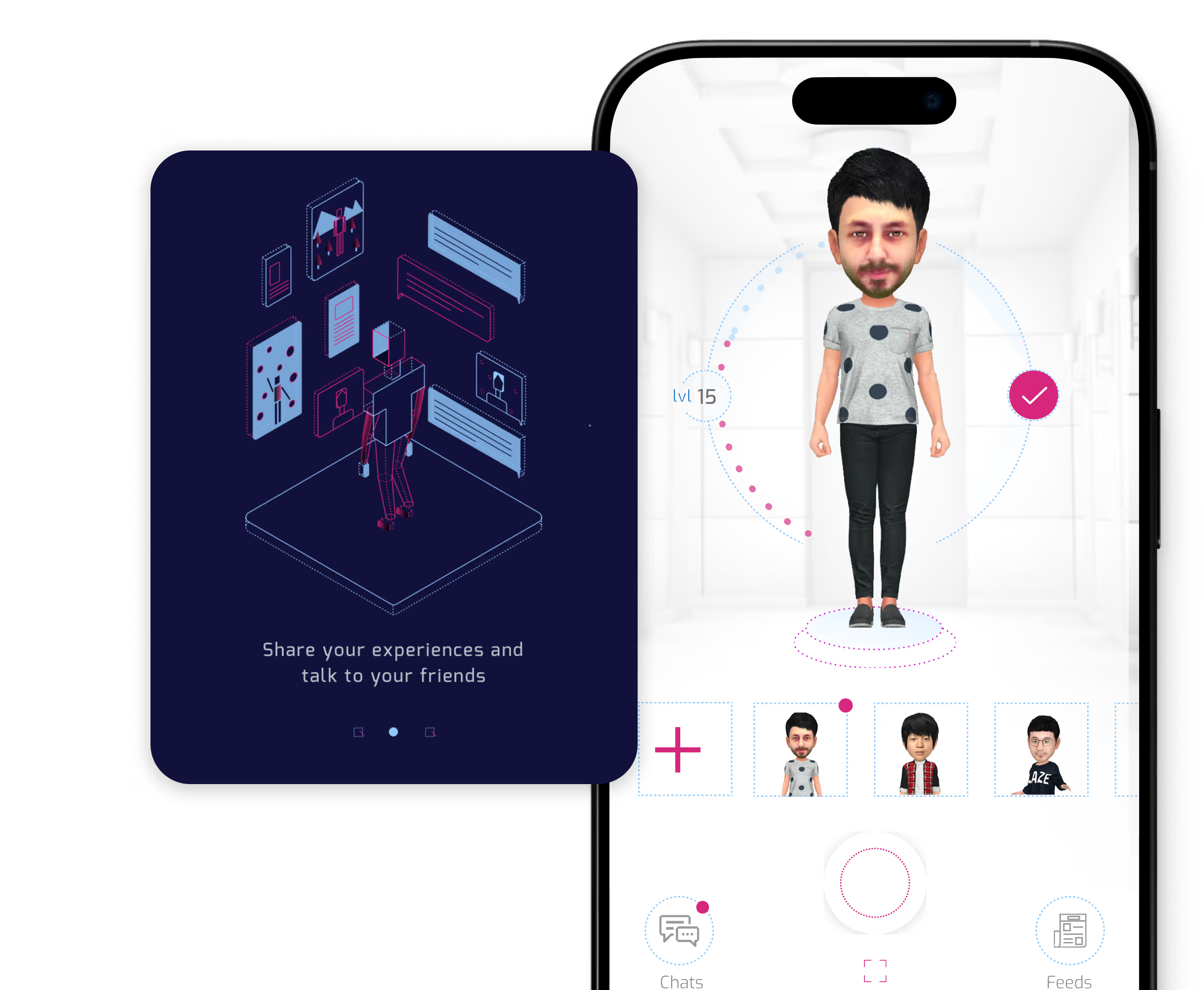
- Augmented Reality (AR) for immersive digital services
- Hyper-personalization using AI and behavioral data
These trends help telecom companies deliver more relevant and engaging experiences to their users.
Strong UX design directly impacts telecom business metrics such as user engagement, plan upgrades, and customer retention. When users can easily manage their services and understand their usage, they are more likely to stay with the provider.
Well-designed platforms also reduce customer support volume by enabling effective self-service. Over time, this creates operational efficiency while strengthening brand loyalty in a highly competitive telecom market.






.avif)