
Healthy signups, flat activation? The problem isn't acquisition. It's the gap between "created an account" and "trusts you enough." That gap doesn't throw an error. It just goes quiet.
This shows up in three ways, and most teams only catch one of them before it's expensive.
You're losing the "which one feels safer" comparison, even when you're just as secure. Users don't evaluate security directly, they evaluate polish, and read polish as trust. A functionally solid product that looks a step behind a competitor loses that comparison before a transaction ever happens, silently, with no error message to point to.
You're building for the average user and losing the users at the edges. Missing language support, poor contrast, inconsistent accessibility, these don't show up as churn. They show up as people who never successfully complete onboarding in the first place, so they never enter your funnel at all. You can't see a drop-off you never measured.
And underneath both, you're mistaking "signed up" for "activated." A completed signup form tells you someone was curious. It doesn't tell you they trust you with real money yet. That gap is where most of your silent drop-off is actually happening.
Recognize where you are losing users?
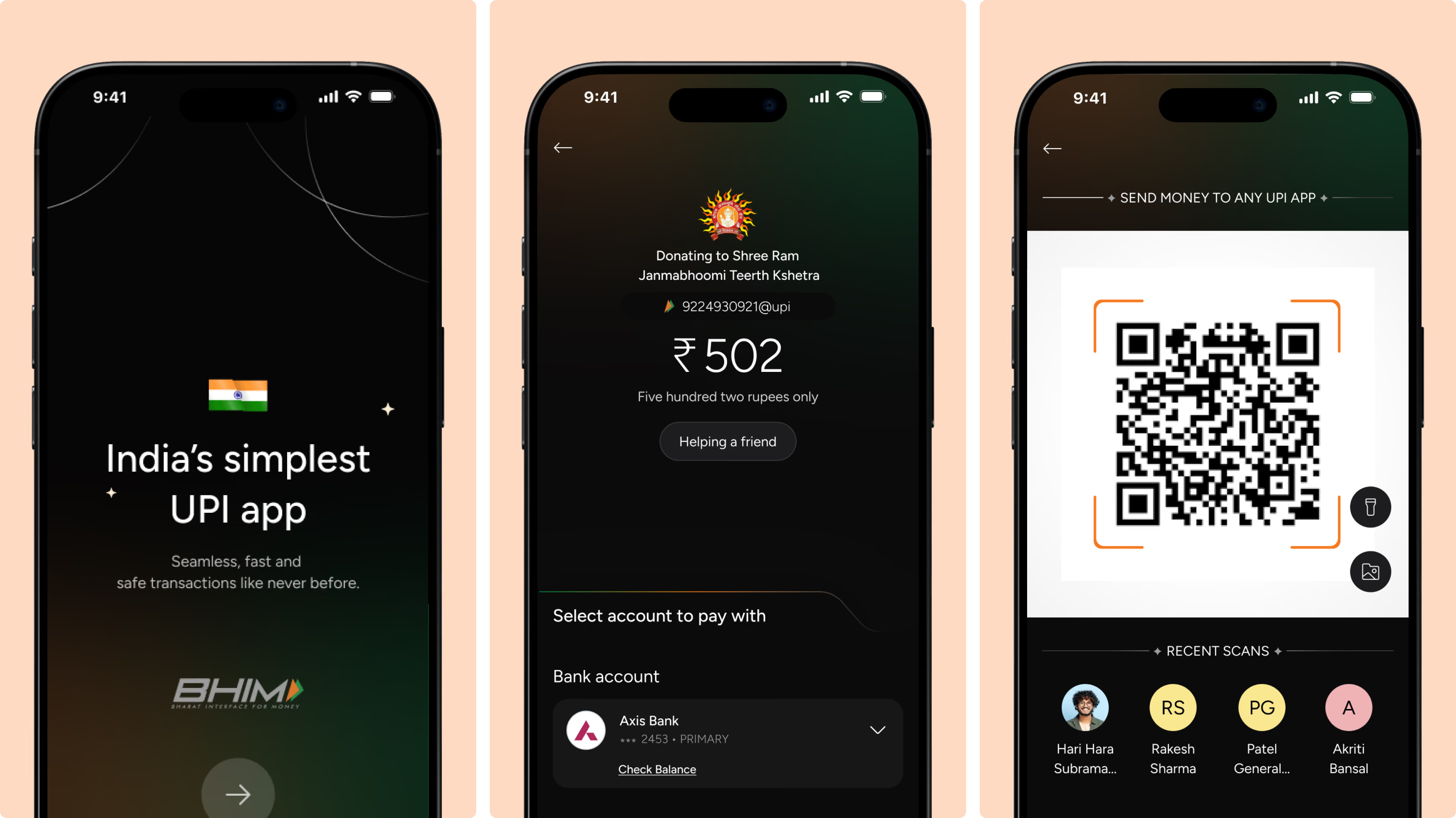
Here's what closes each one. Not theory, what we've shipped, on BHIM, India's national payments app, think Venmo or PayPal, but government-owned, serving 128M+ users, and competing directly against better-funded private players like Google Pay and PhonePe.
To fix the trust perception gap: don't just refresh the visual layer, study what's actually earning trust in the category. We ran direct competitive analysis on how the leading private players used emotional design and micro-interactions to build loyalty, then rebuilt BHIM's visual language around the same principles. The result wasn't a prettier app. It was one that stopped losing the "which one feels safer" comparison to competitors it was already matching on security.
To fix the accessibility blind spot: treat it as a growth lever, not a compliance checkbox. Research surfaced a specific, namd finding, inconsistent language and contrast support was excluding low-literacy and regional users before they ever got to a first transaction. The fix was full local-language support built to WCAG standards. That's not a feel-good addition. It's users who previously couldn't complete onboarding, now able to.
Got your version of this problem?
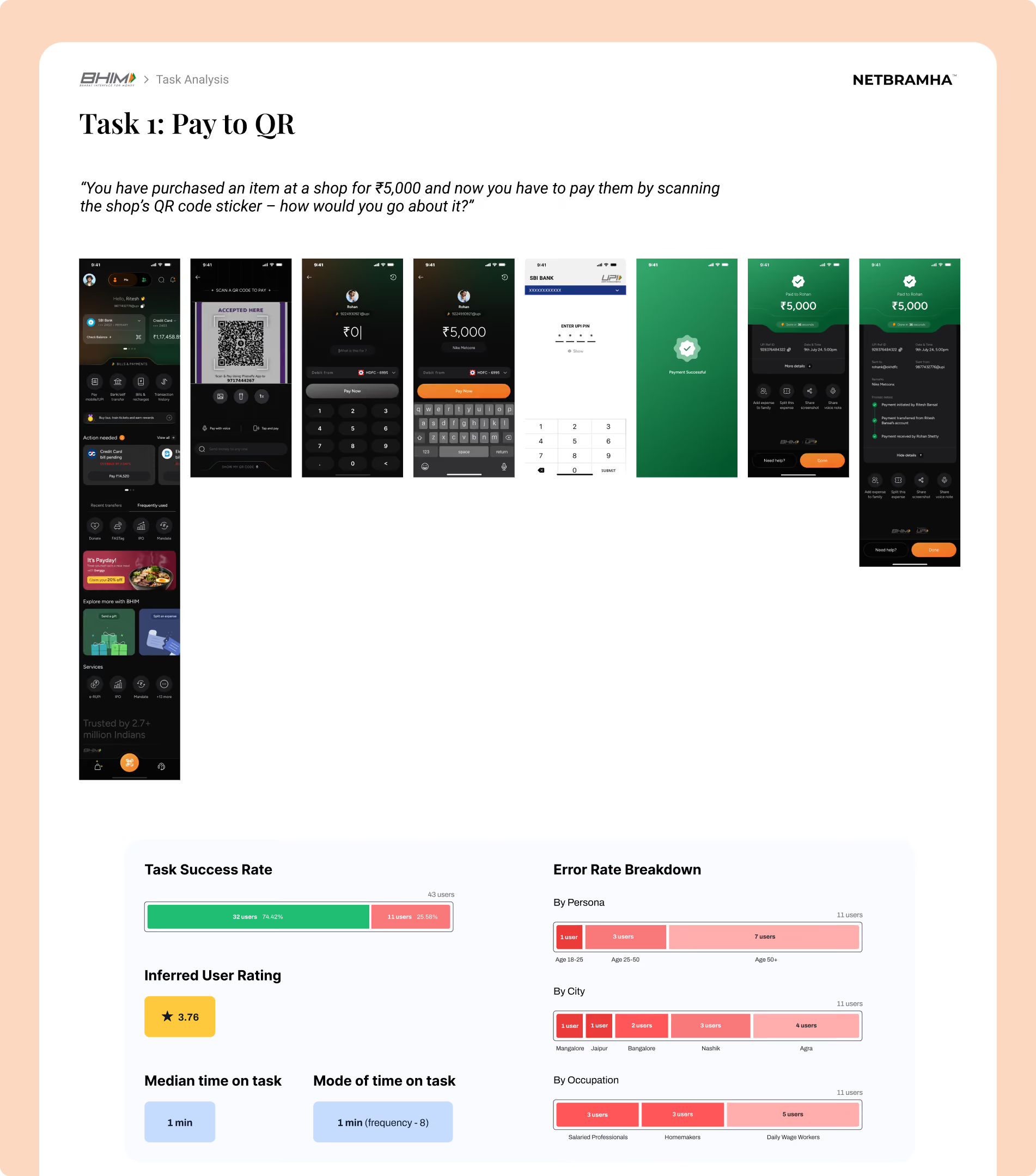
To fix the "signed up but never activated" problem: give people a reason to trust the product before you ask them to move money through it. We added UPI Circle (shared family account access with per-member permissions and limits), Spend Tags (budget tracking with visual spend insights), and small-value PINless payments for everyday things like groceries and cabs, each one lowering the stakes of a first interaction instead of asking for a full-trust transaction right away.
None of it holds together without the part that doesn't make it into a highlight reel: a single design system unifying color, typography, and components across every screen. Without that, these fixes ship as disconnected patches that drift apart within two quarters. With it, they compound, and the drop-off you were losing before someone's first transaction starts closing for good, not just for one release cycle.
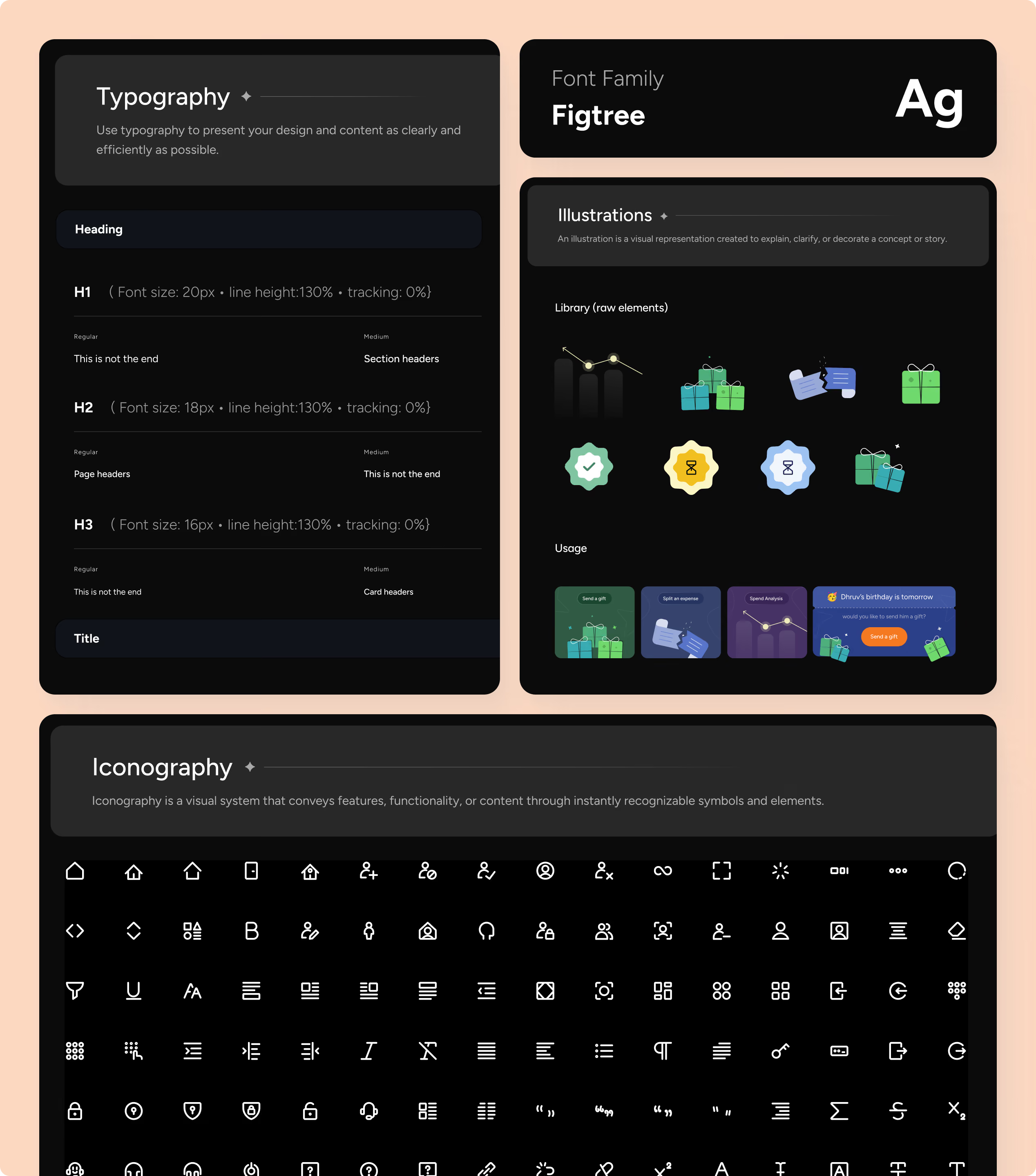
This is one issue from our fintech pattern library, built across 18 years and 250+ products.