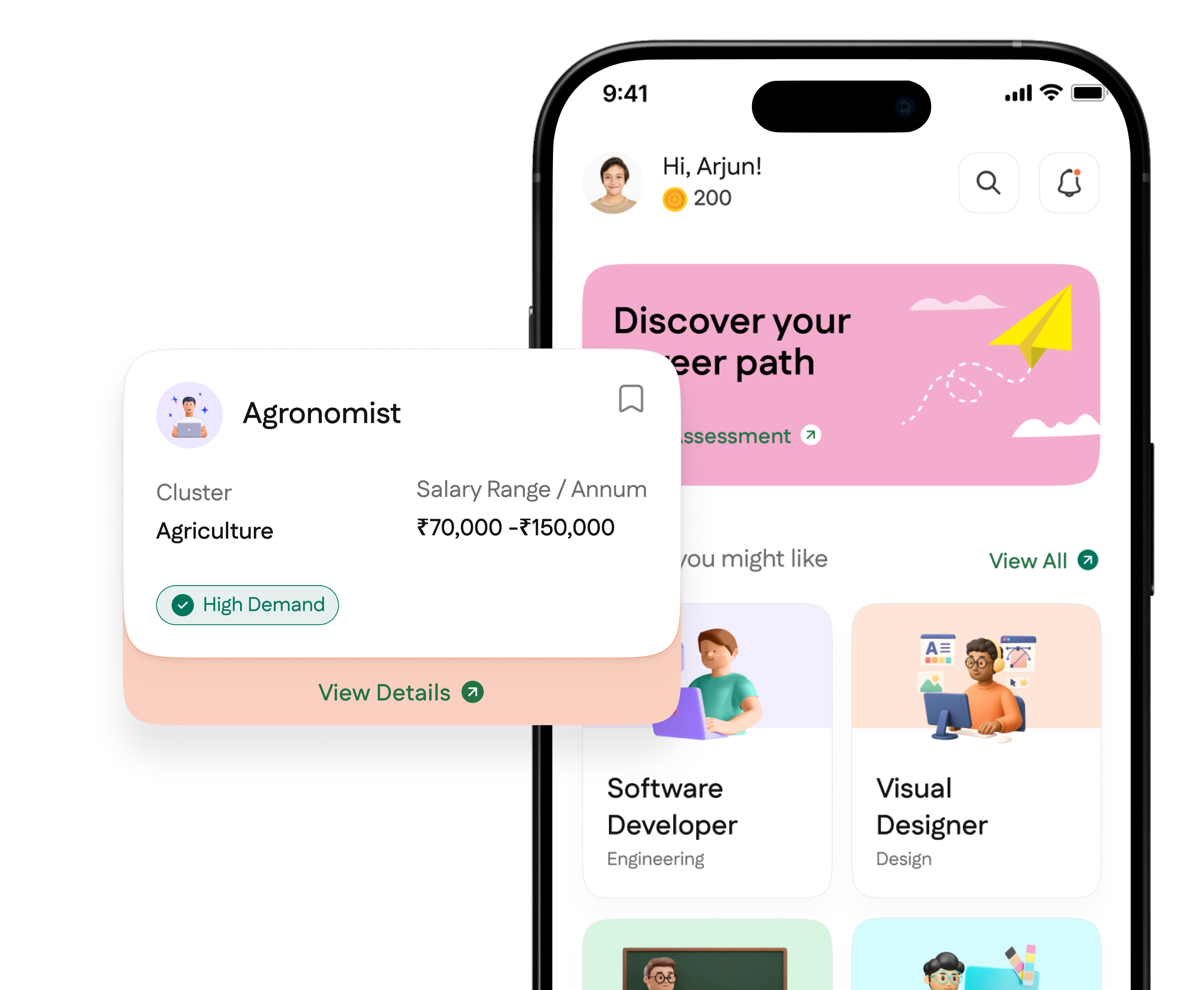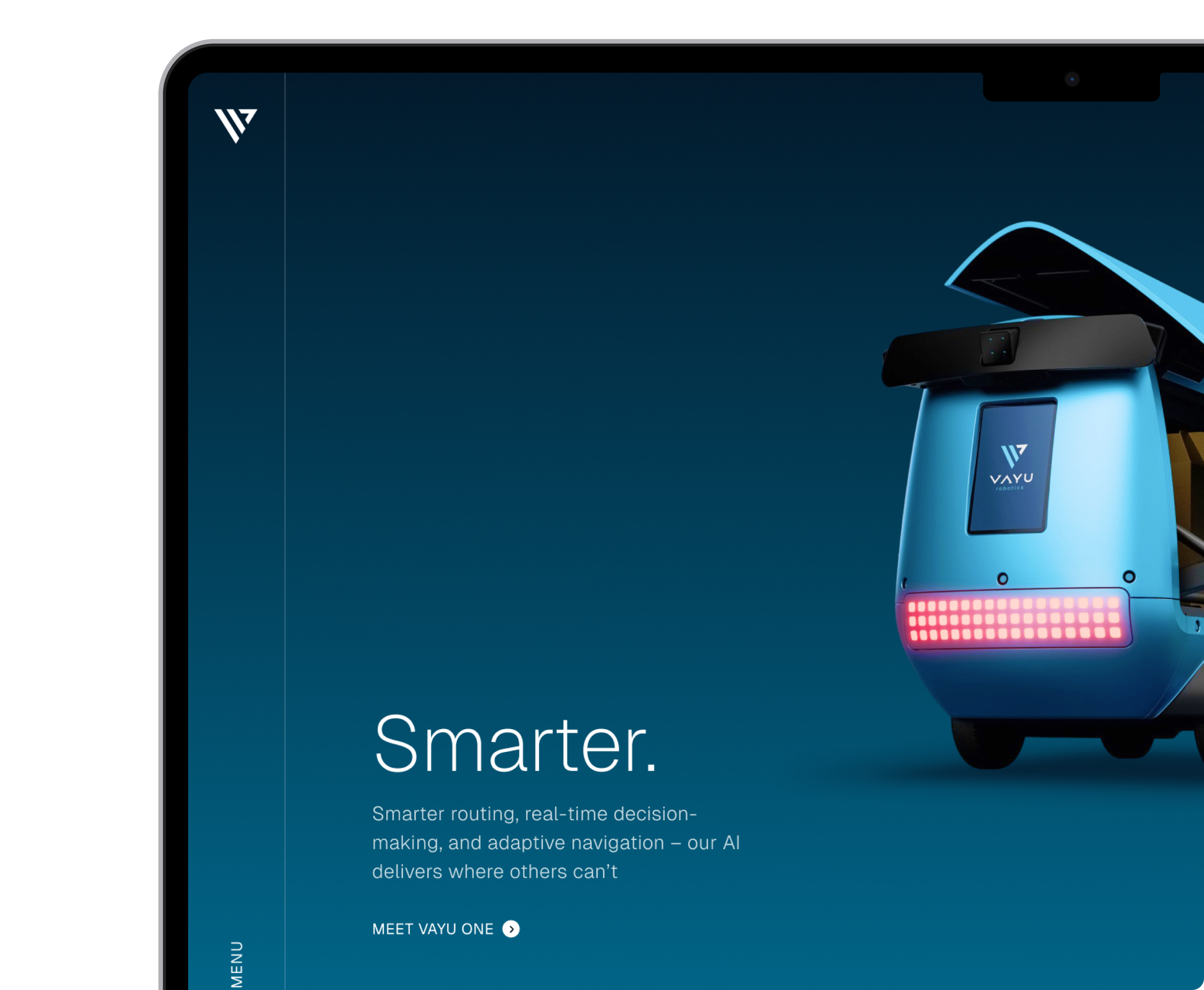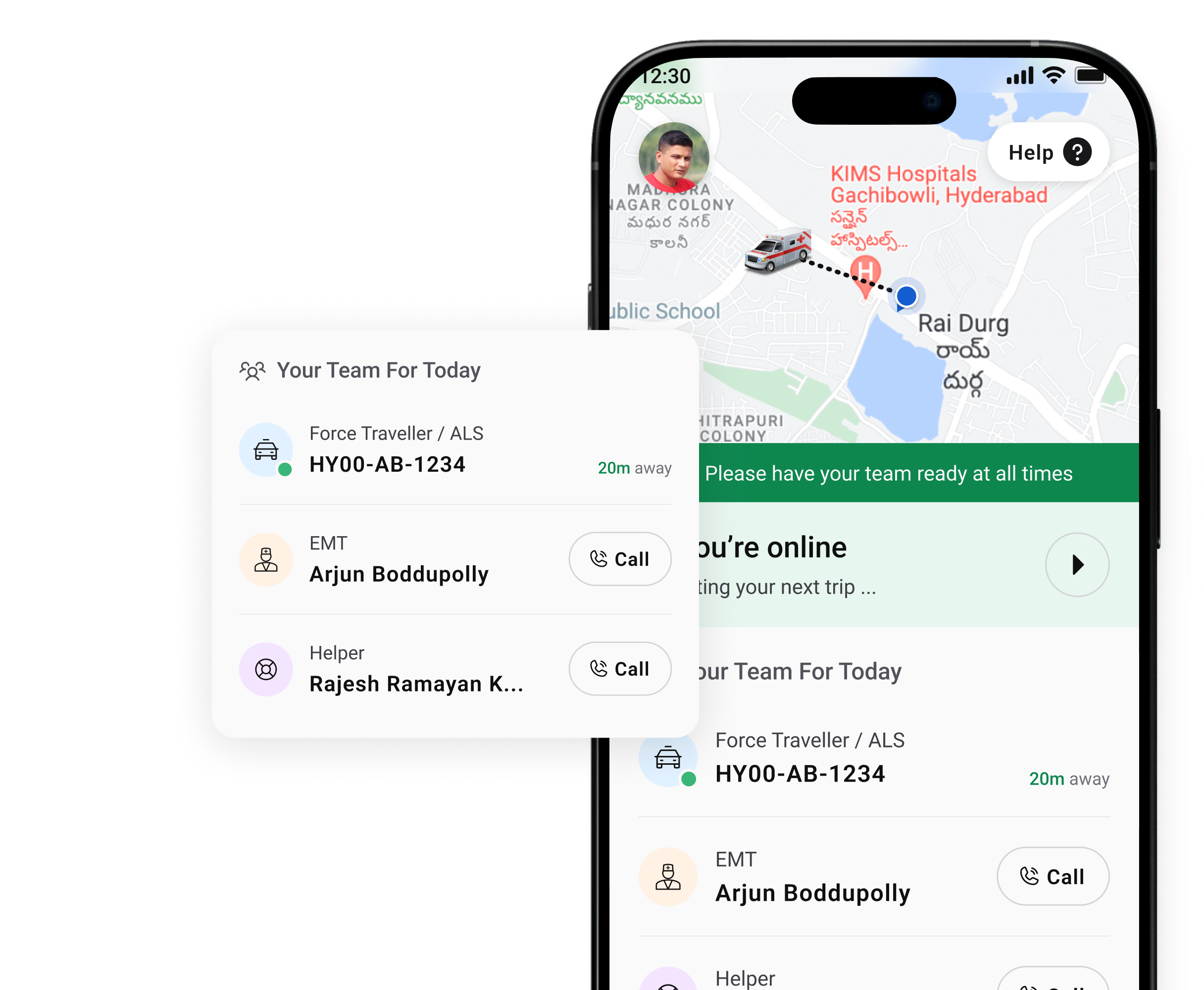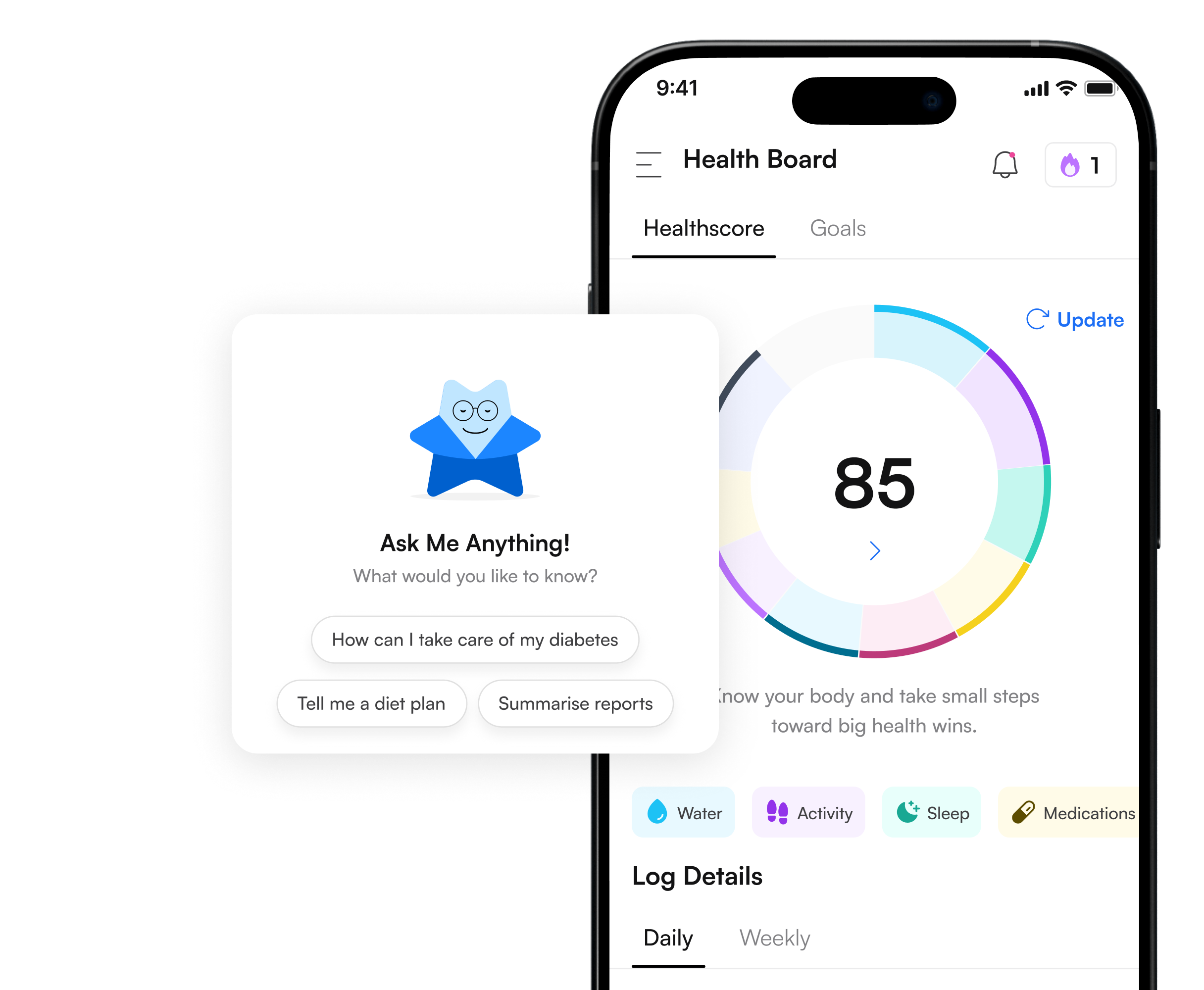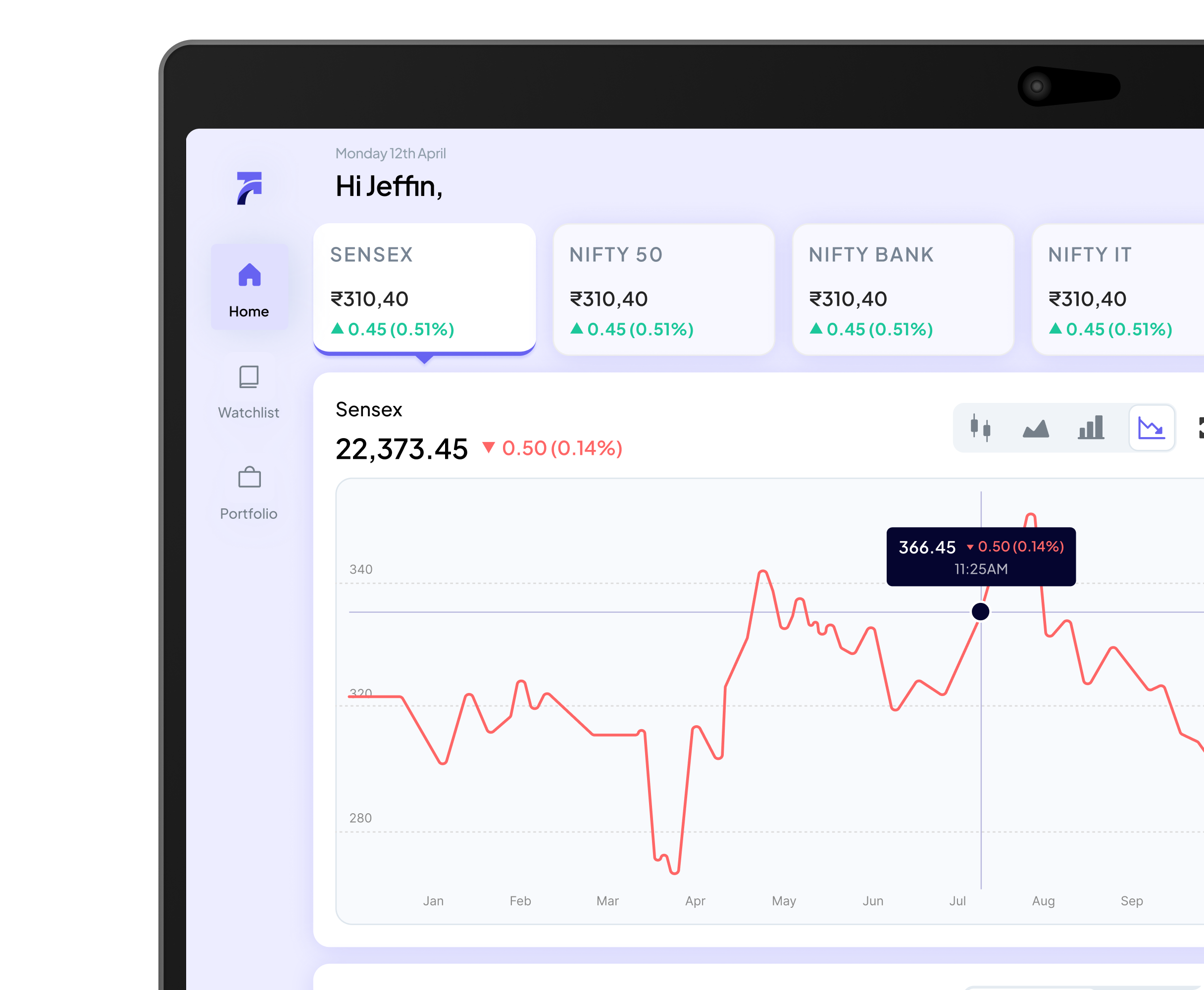
Usability Testing is the process of evaluating the usability or “user-friendliness” of a platform (website, app, or software) by testing it with a group of target users. During testing, users are asked to complete specific tasks while observers note their reactions, responses, and any difficulties encountered.
User Friendliness
Evaluates how easy and intuitive a platform is for its intended users.
Task Completion
Ensures users can access the right information and successfully complete key tasks.
Real User Feedback
Captures direct reactions and responses from actual target users.
Friction Identification
Reveals confusion, usability gaps, and areas causing difficulty.
Experience Validation
Confirms whether the platform performs as expected for users.
Improvement Scope
Highlights opportunities to enhance overall usability and efficiency.
User-Centered Review
Focuses on observing genuine interactions with the platform.
Usability testing plays a crucial role in UI/UX design by evaluating how real users interact with a platform. By observing users as they complete tasks, teams can identify usability issues and friction points that impact overall experience.
It helps validate whether users can easily access information and accomplish goals without confusion. This ensures that the design supports clear navigation and smooth task flow aligned with user expectations.
Through structured observation and feedback collection, usability testing enables teams to refine interfaces and improve interaction quality, resulting in more user-friendly and effective digital products.
.avif)


Usability testing puts real, target users in front of your product and watches where they get stuck completing actual tasks. Heuristic evaluation, by contrast, is an expert review with no users involved at all.
The two catch different things. Heuristic evaluation finds structural violations of known usability principles fast and cheap. Usability testing finds the problems that only show up when a real person, not an expert, tries to actually use the thing. NetBramha typically runs both in sequence, since fixing what the experts catch first makes the user sessions more productive.
You don't need hundreds. Research on usability testing, most notably Jakob Nielsen's widely cited studies, found that testing with around five users from your target group typically surfaces roughly 85% of the usability problems in an interface. Beyond that, each additional participant tends to repeat issues you've already found.
What matters more than sample size is who's in the room. Five people who match your actual user profile beat fifteen who don't. NetBramha recruits participants against the specific persona a product is built for, rather than whoever is easiest to schedule.
Participants are given specific tasks to complete on the live product or a prototype, while a researcher observes where they hesitate, misclick, or give up. The session is usually recorded, and the researcher asks follow-up questions without leading the participant toward an answer.
Afterward, findings are consolidated across sessions and prioritized by severity and frequency, not just listed as a transcript. When we worked on Springer Nature's research discovery platform, used by researchers across the globe, this stage is what separated a genuinely confusing information architecture from a merely unfamiliar one.
The obvious answer is before launch, but the more useful answer is whenever a team suspects a problem and can't explain it with analytics alone. Analytics tells you where users drop off. Usability testing tells you why, in their own words and behavior.
It's also worth running after a major redesign, not just before one, to confirm the fix actually worked rather than assuming it did. NetBramha builds this validation step into research engagements by default, whether the team briefing us sits in Toronto or a few floors above us in Bangalore.
Sessions are facilitated by UX researchers who know how to ask questions without steering the participant, and who can tell a genuine usability problem apart from one confused person having a bad day. That distinction is easy to get wrong without experience.
You walk away with a prioritized list of friction points, tied to specific screens or flows, not a pile of session recordings to interpret yourself. This feeds directly into design, the same process behind engagements for teams from Cambridge to Bangalore. Get in touch if you want to know what testing would surface in your product.