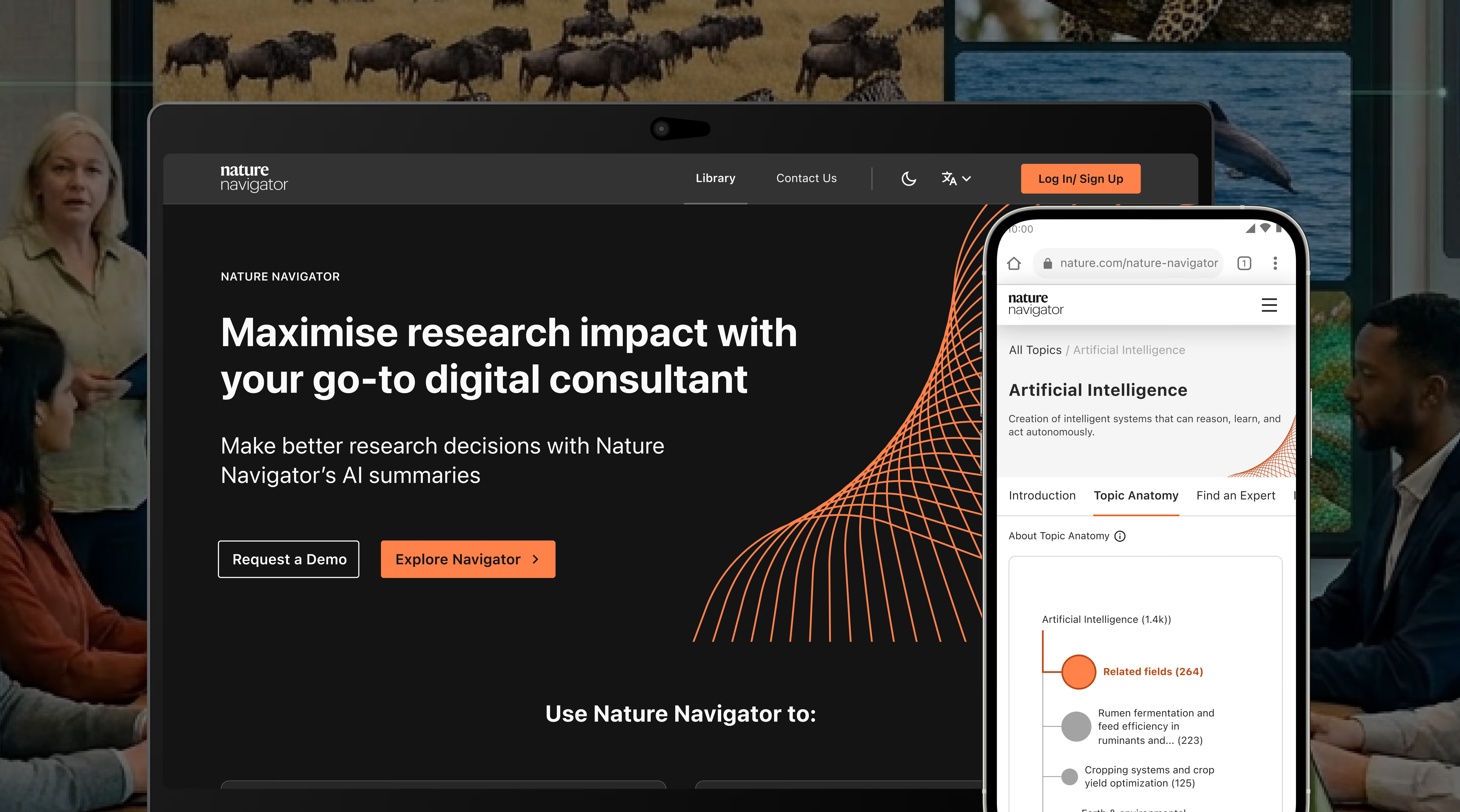
Springer Nature is one of the world’s leading academic publishing platforms, supporting millions of researchers and scientists globally.
Navigating vast volumes of research data was complex, with scattered information, limited discoverability, and difficulty identifying relevant experts or insights - slowing down research exploration and collaboration.
Our mission was to reimagine Nature Navigator as a streamlined research intelligence platform that simplifies exploration, improves discoverability of scientific knowledge, and enables researchers to uncover insights and collaboration opportunities faster.
enabled through structured information architecture and intuitive research exploration.
achieved by organizing millions of research papers into a simplified, easy-to-navigate ecosystem.
supported through features like expert discovery and research network exploration.
enhanced by transforming complex research data into intuitive visual experiences.
Curated topics enabling structured exploration of scientific research fields.
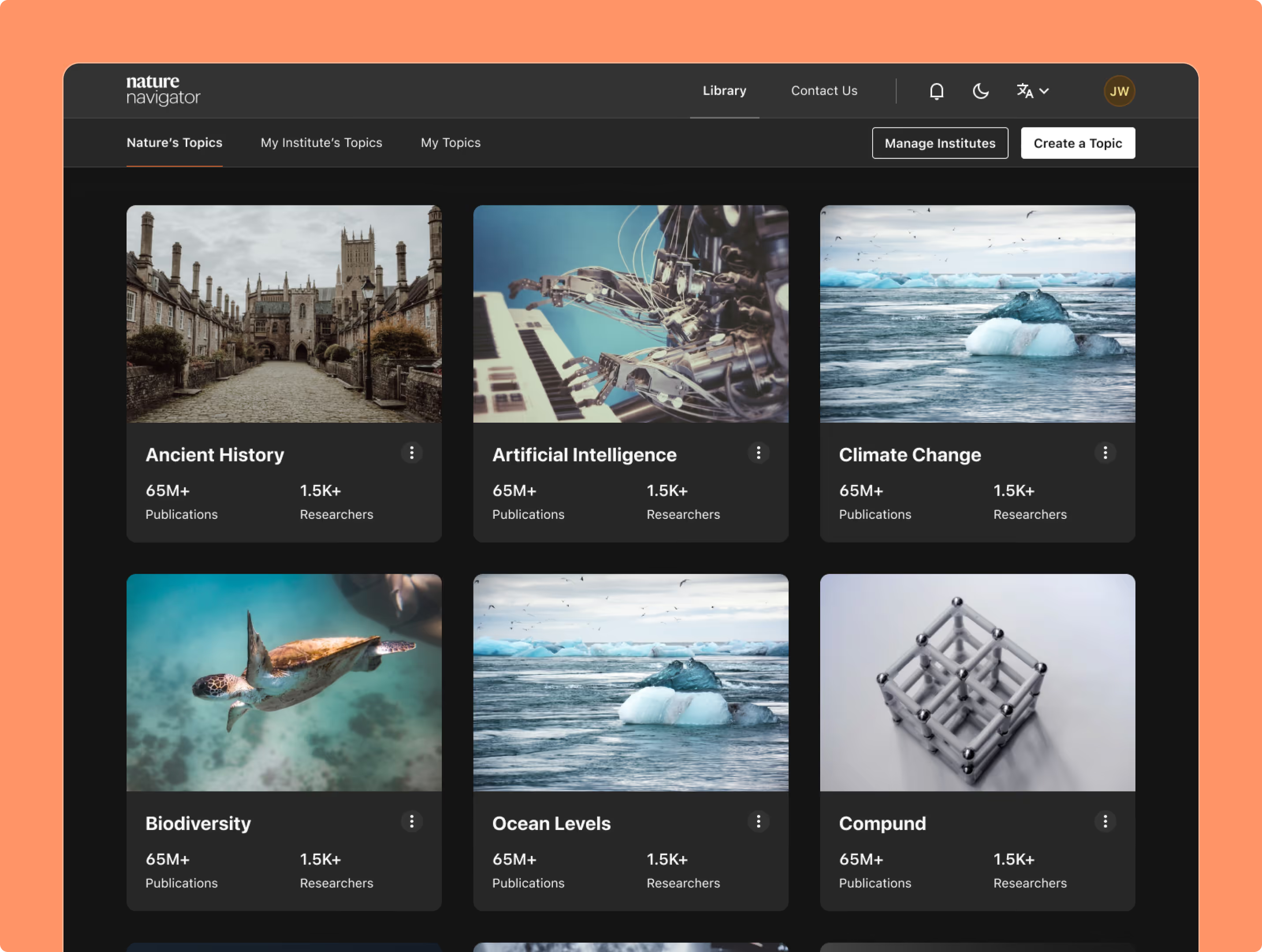
Designed a flexible interface supporting both dark and light modes, improving readability for dense research data while ensuring comfortable exploration across different environments and user preferences.
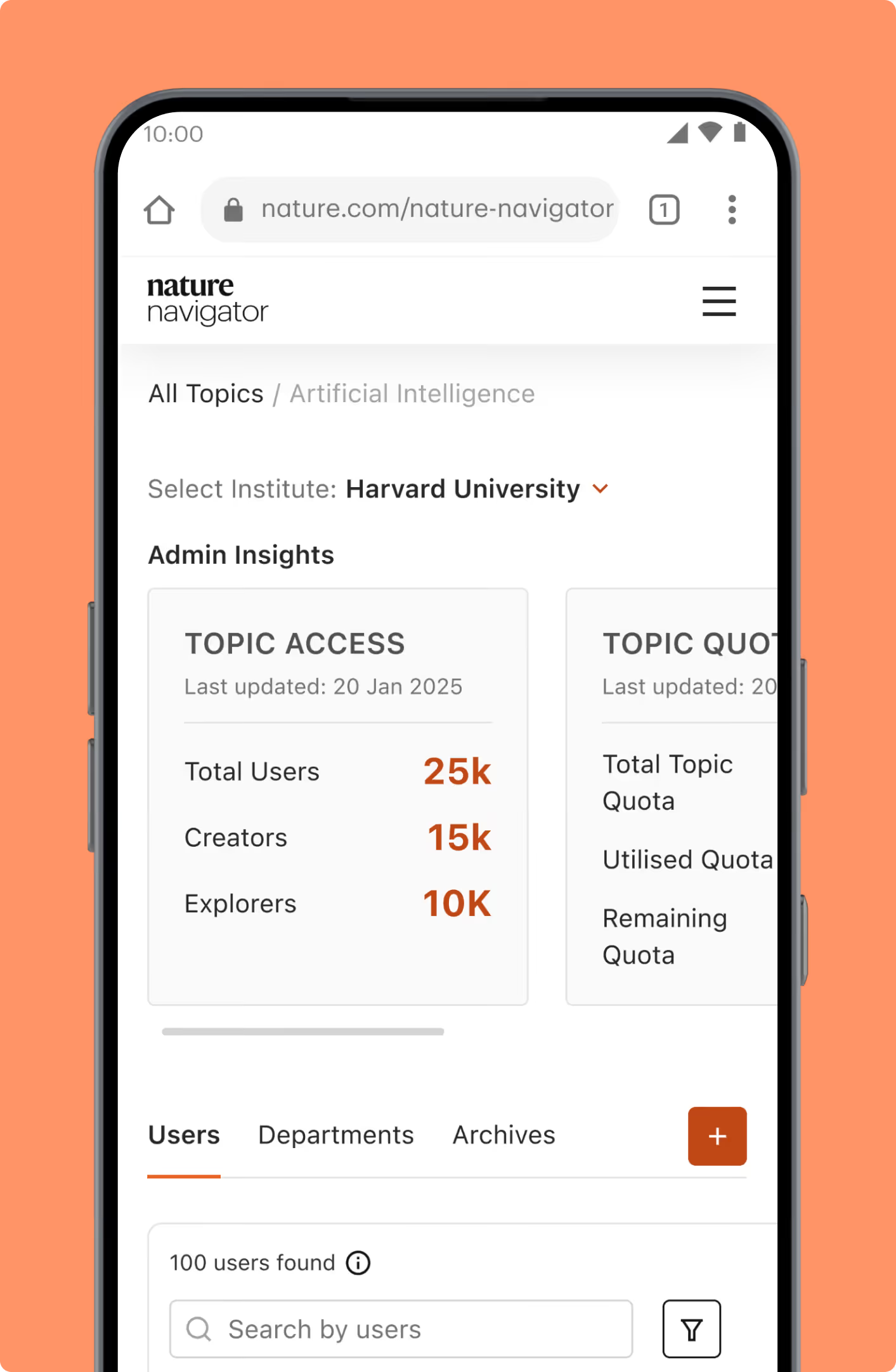
Mobile interface enabling university selection and in-depth topic exploration via structured tabs.
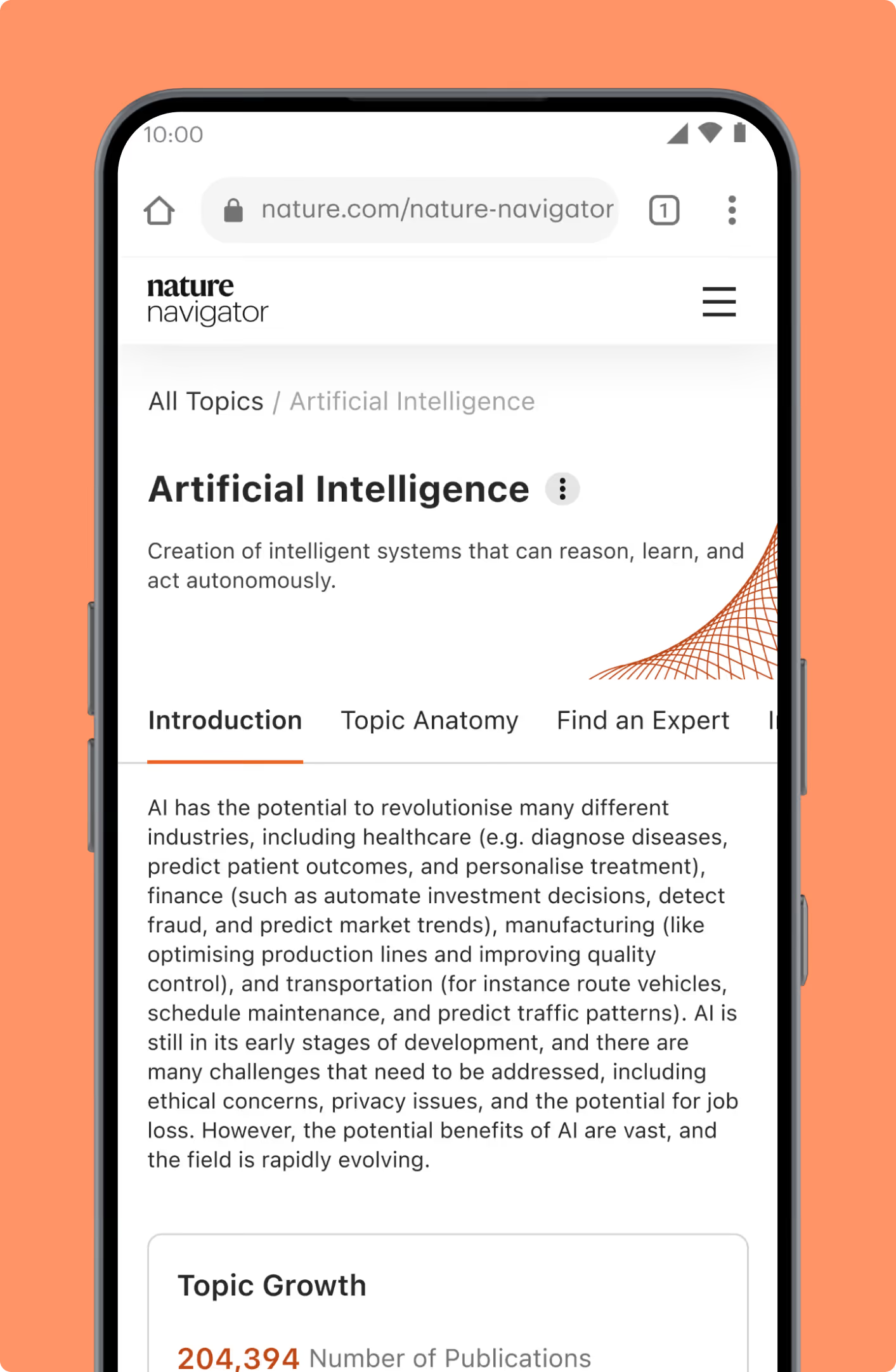
Data-rich visualization tools that allow researchers to analyze topic growth, publication trends, and research activity over time for better strategic decision-making.
Curated topics enabling structured exploration of scientific research fields.
Curated topics enabling structured exploration of scientific research fields.
Designed a flexible interface supporting both dark and light modes, improving readability for dense research data while ensuring comfortable exploration across different environments and user preferences.
Designed a flexible interface supporting both dark and light modes, improving readability for dense research data while ensuring comfortable exploration across different environments and user preferences.
Mobile interface enabling university selection and in-depth topic exploration via structured tabs.
Mobile interface enabling university selection and in-depth topic exploration via structured tabs.
Data-rich visualization tools that allow researchers to analyze topic growth, publication trends, and research activity over time for better strategic decision-making.
Data-rich visualization tools that allow researchers to analyze topic growth, publication trends, and research activity over time for better strategic decision-making.
For Springer Nature, the redesign transformed Nature Navigator into a simplified platform for faster research discovery and deeper collaboration.
through visual research networks
through improved information architecture
through expert discovery features
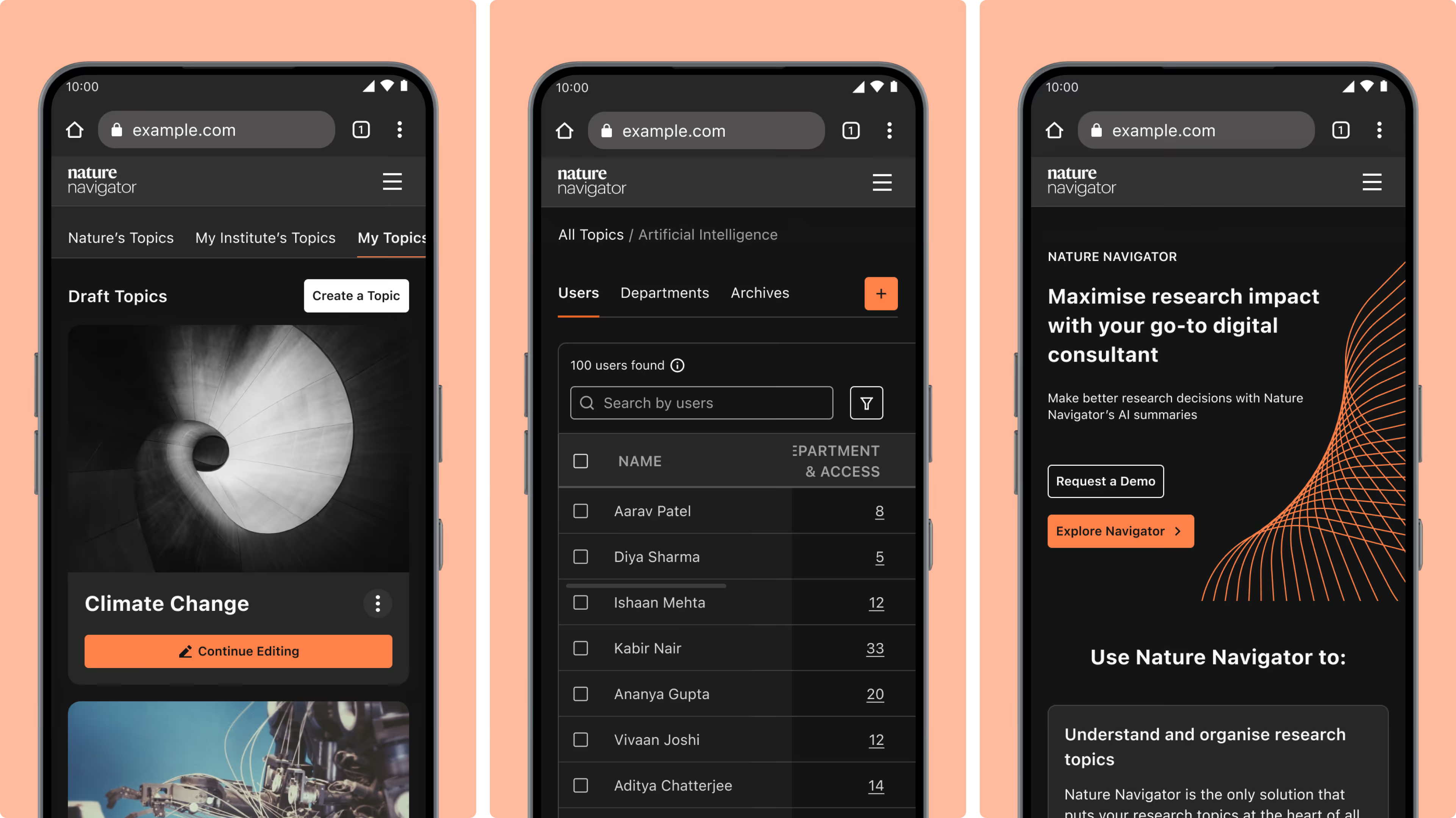
Mobile screens designed showcasing key interface flows and user interactions across application journeys.
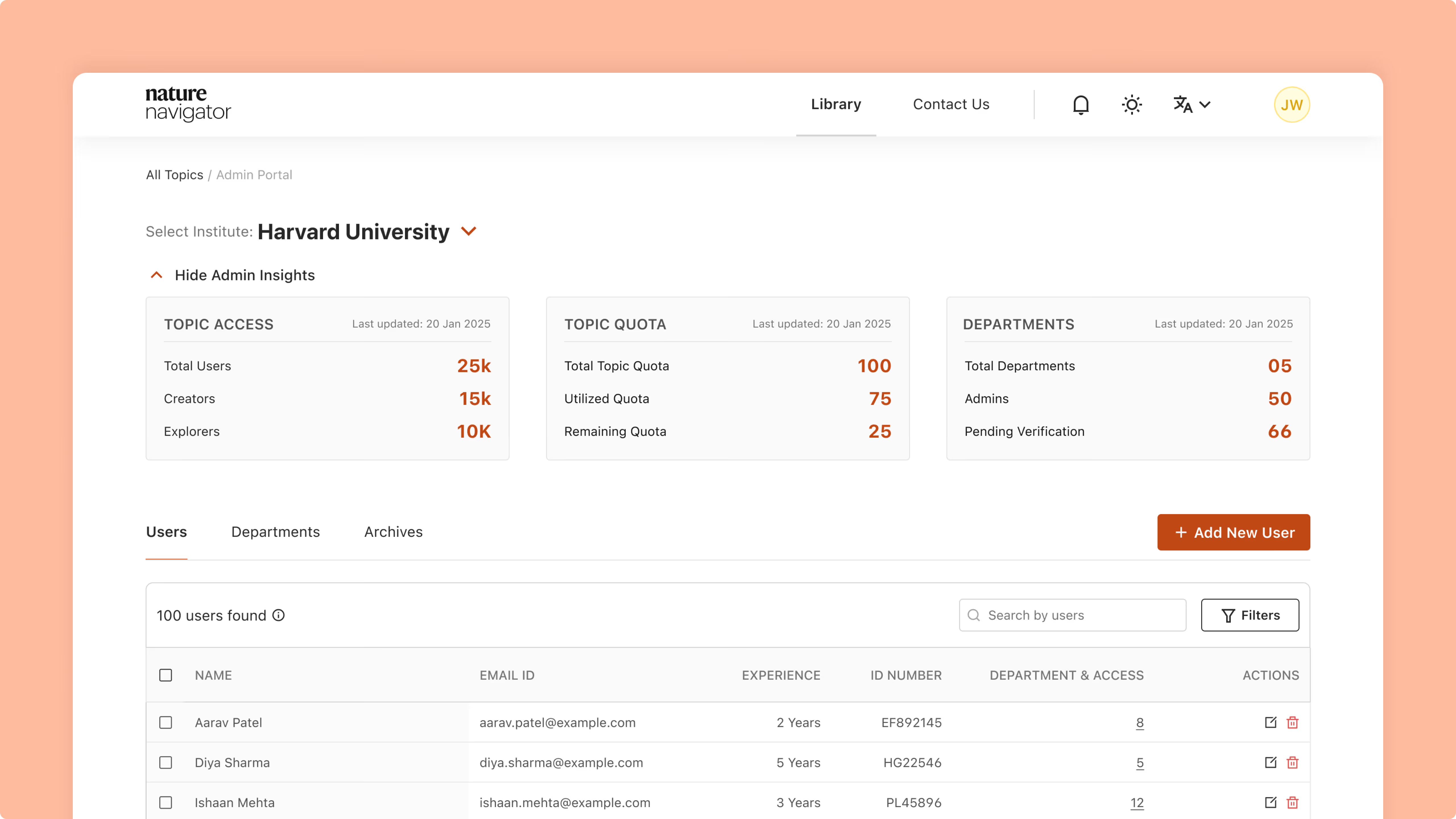
Admin portal web application enabling backend management, configuration, and structured operational workflows.
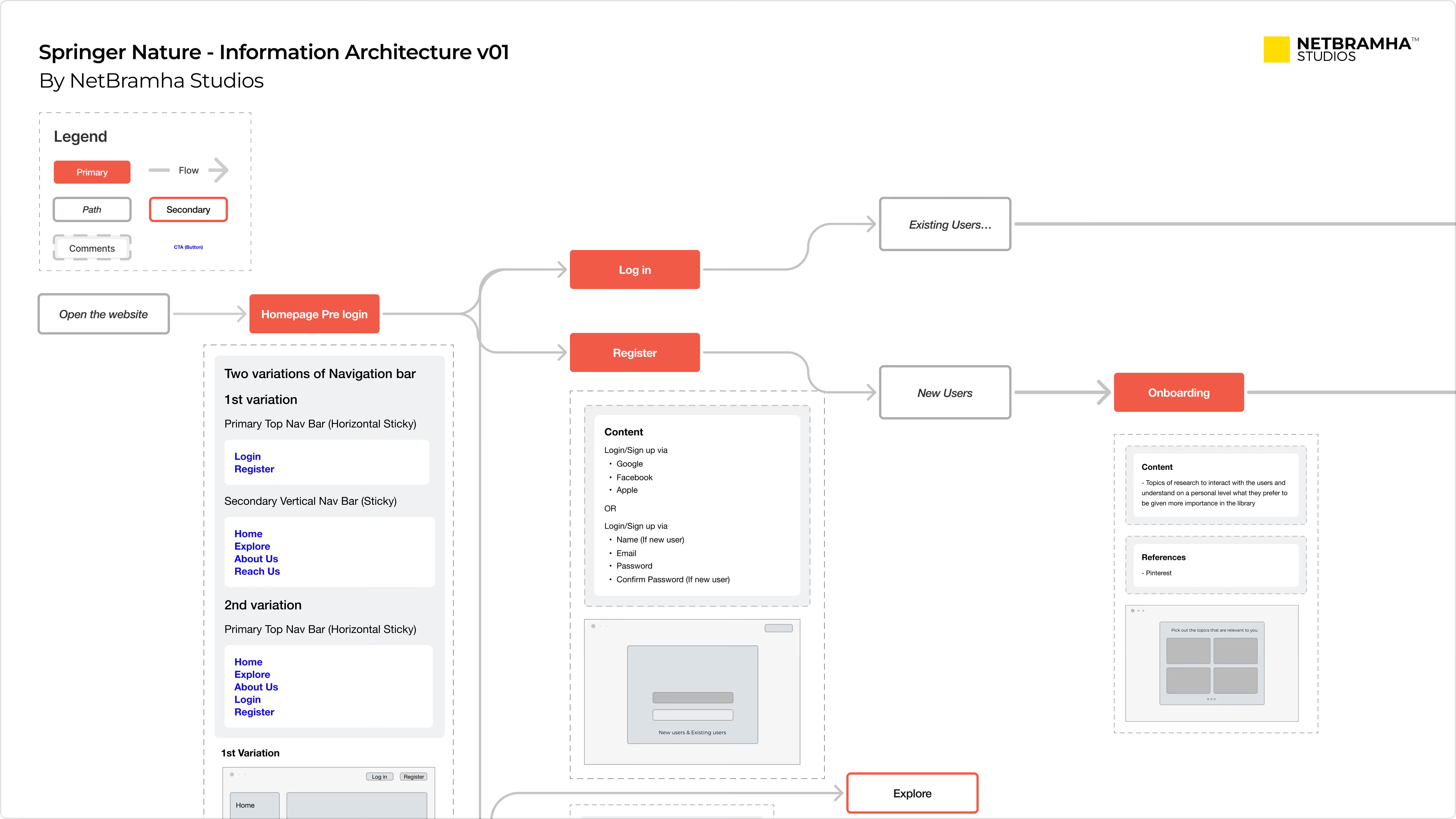
Information architecture structuring content hierarchy ensuring clear navigation, discovery, and usability across platform.
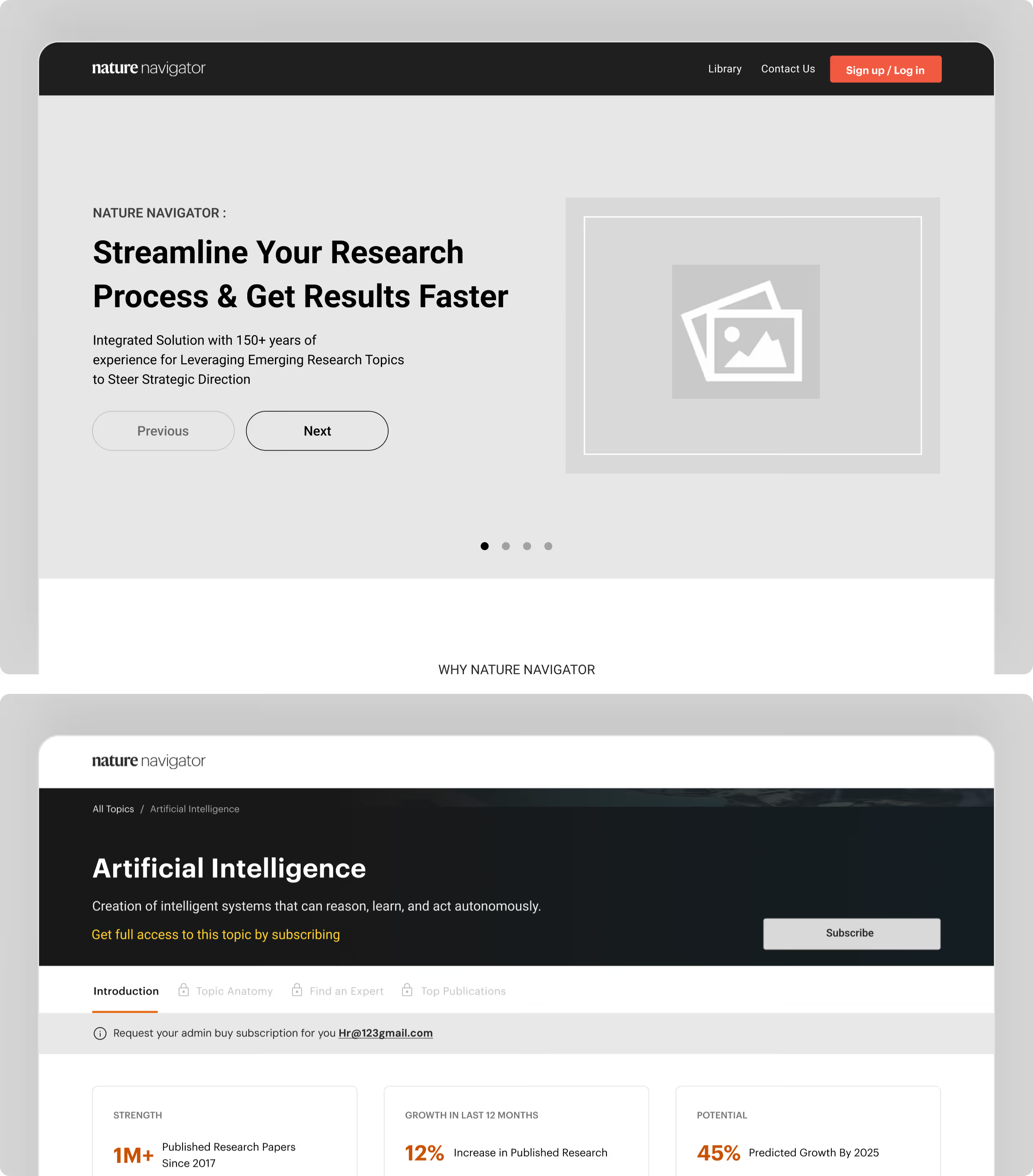
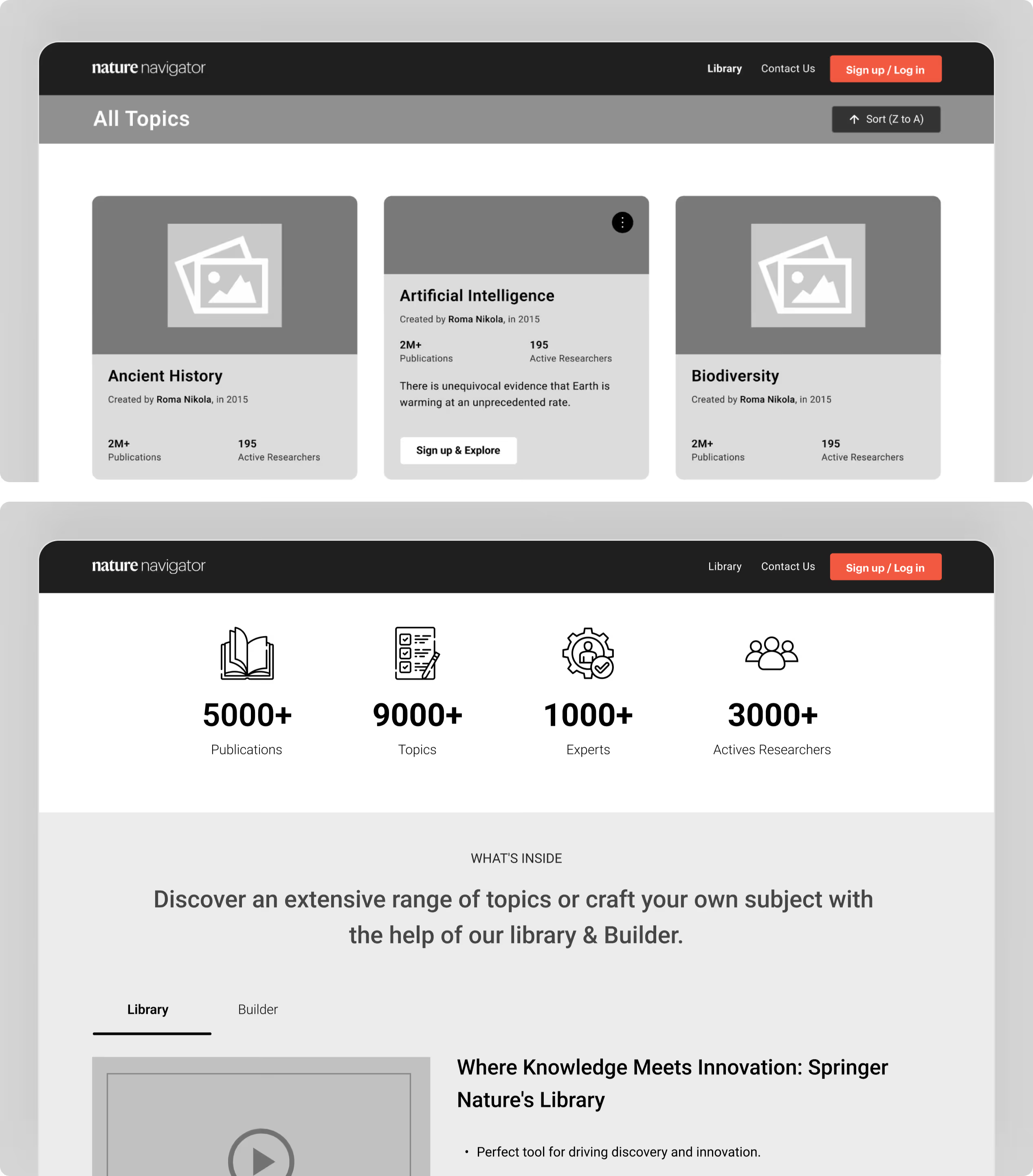
Web app wireframes defining layout structure, functional hierarchy, and user interaction flow across screens.
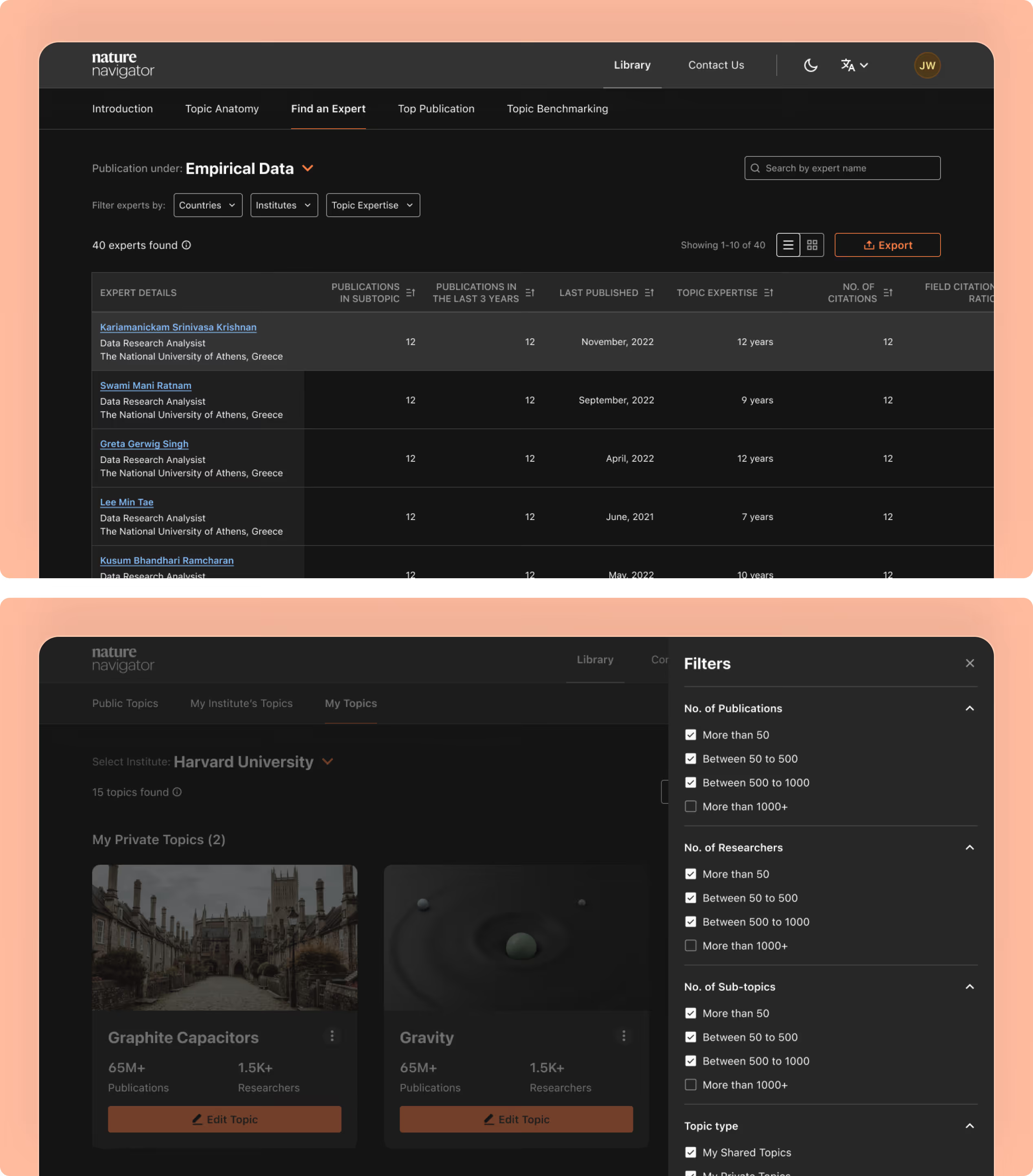
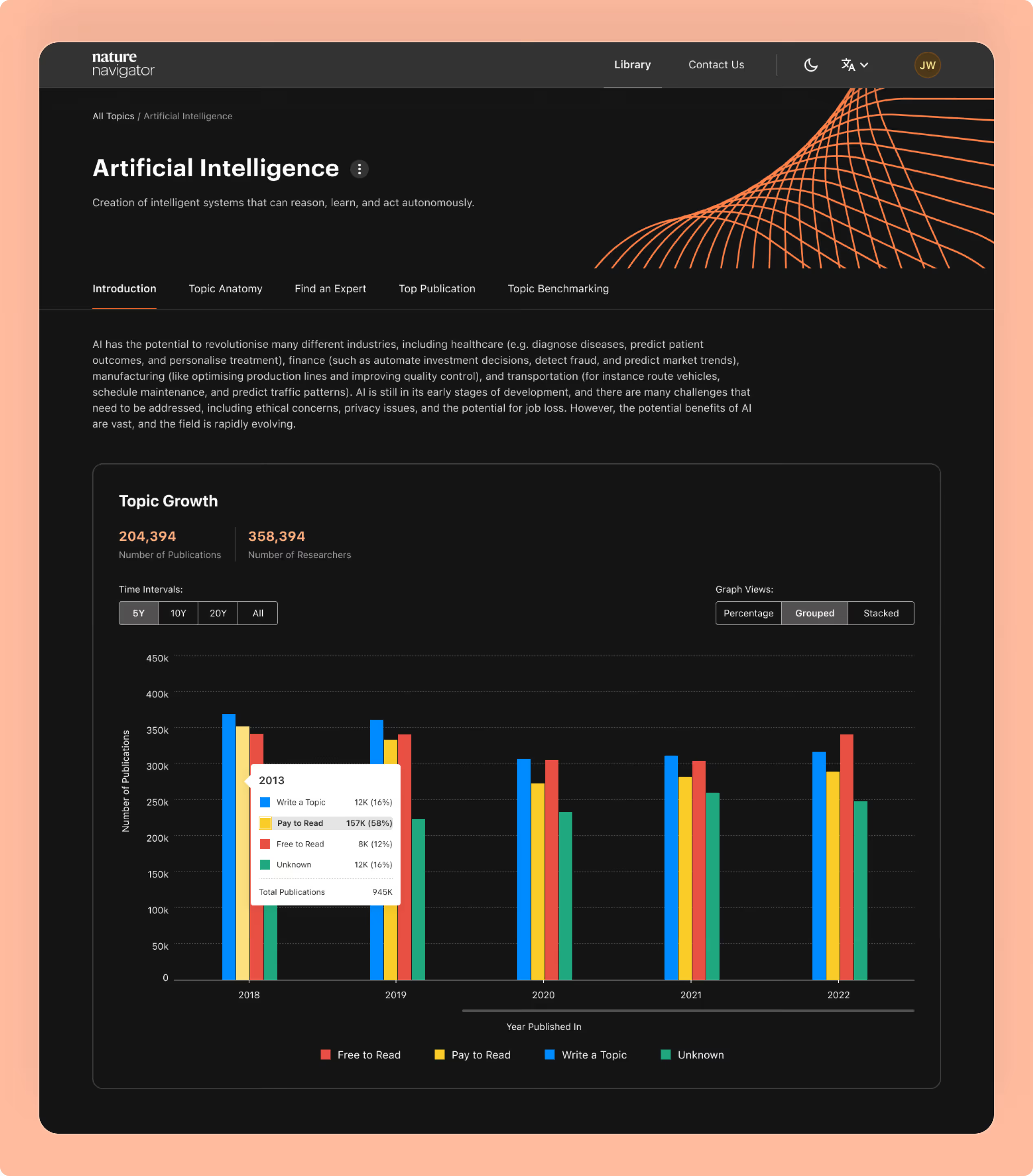
Web app visual design refining aesthetics, typography, color system, and interface components consistently.
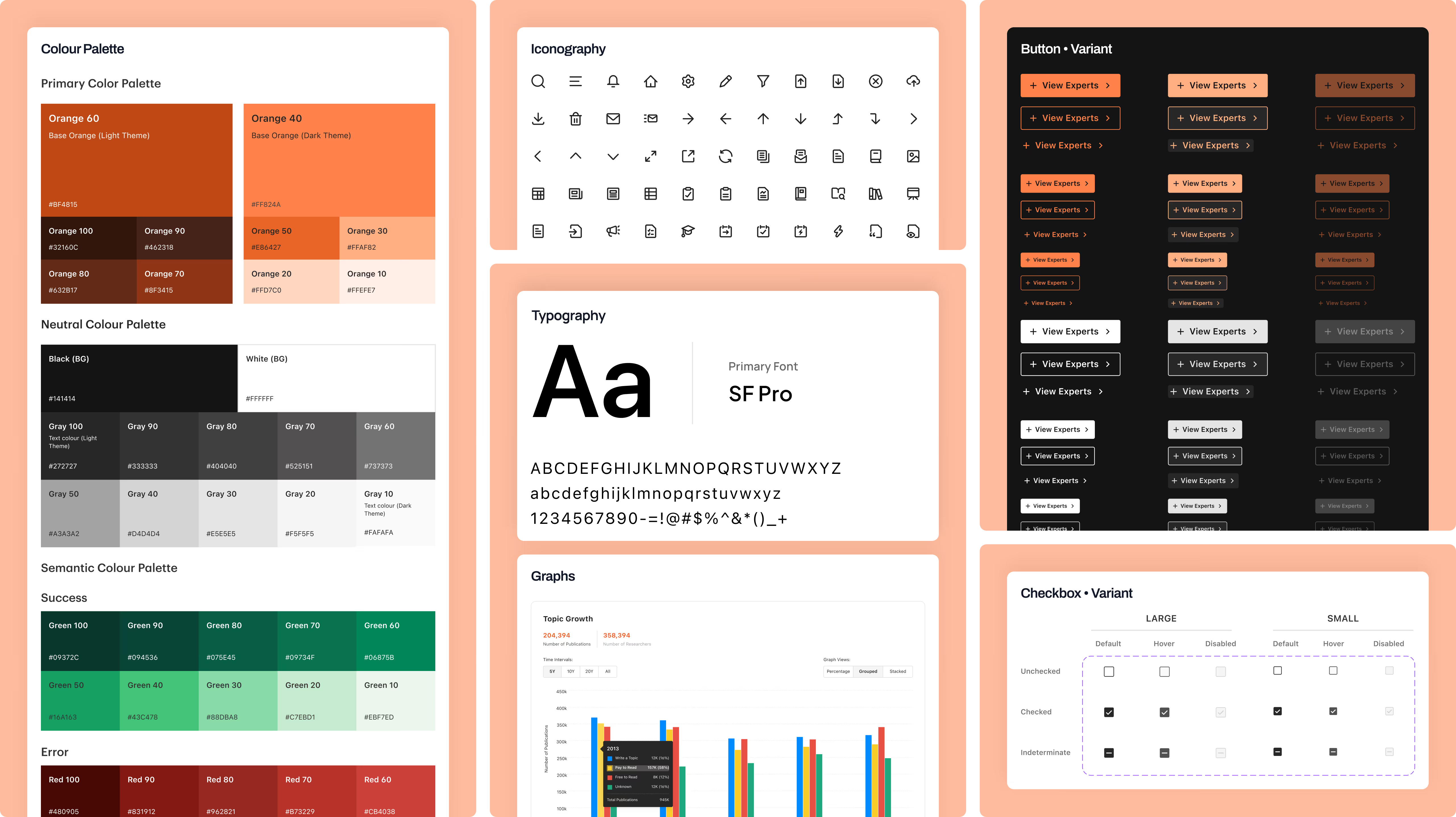
Component library and comprehensive design system including buttons, states, typography, icons ensuring consistent interface experience.


Nature Navigator is an AI-powered research intelligence platform from Springer Nature, the world's largest academic publisher, producing 3,000+ journals. NetBramha designed its complete UX, and the platform won the Red Dot Design Award 2024 for Interface and User Experience Design.
NetBramha's Aashish Solanki attended the Red Dot award gala in Berlin - the same award category, three years apart, that Cloudnine's 'It's Our Baby' app won in 2021, making Red Dot recognition a repeated, not one-off, outcome across NetBramha's portfolio.
Academic researchers face an overwhelming volume of published material; Nature Navigator uses AI to help them discover relevant research faster across millions of scientific papers, rather than relying on manual keyword search across fragmented databases.
That discovery-at-scale problem is structurally similar to the content-architecture challenge NetBramha solved for Festivals From India - both required organising an enormous, growing body of content so a specific user could find the relevant slice quickly, without being overwhelmed by the whole.
The platform serves academic institutions, government research bodies, and corporate R&D teams - professional researchers making decisions based on scientific literature, not casual readers browsing for interest.
That expert, professional user base sets Nature Navigator apart from NetBramha's consumer-facing AI work like the Google cricket experience; the design bar here was analytical trust and precision, not first-touch delight.
Nature Navigator, Gyaan.ai, and the Google cricket experience are NetBramha's three clearest AI-product design credentials, each solving a distinct problem: research discovery, B2B sales intelligence, and real-time motion feedback, respectively.
No single AI-interface pattern transfers across all three - Nature Navigator is built around trustworthy retrieval and citation clarity, while Gyaan.ai is built around fast-scanning sales dashboards and Google's project around real-time physical feedback.
Alongside Springer Nature, NetBramha has designed for Oxford University Press, the world's largest university press, founded in 1478.
Together, the two projects make academic and scientific publishing one of NetBramha's most globally credentialed verticals - both clients are UK/global institutions rather than India-first businesses, distinguishing this work from the bulk of NetBramha's portfolio.
Recommended Next

.avif)