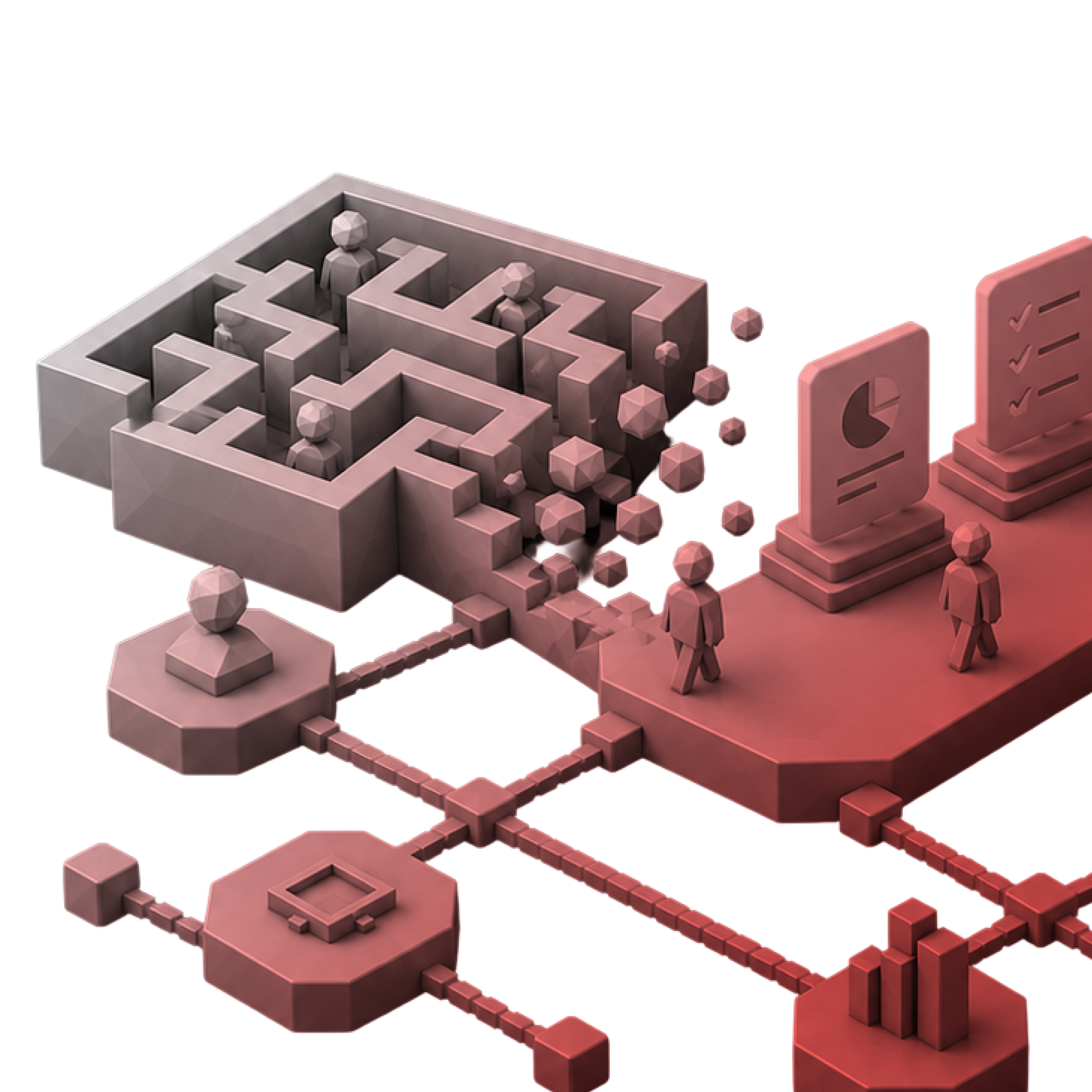
Connected mobility products are used while people are moving. A rider glancing at a two-wheeler cluster, a driver checking range on an EV app, or a fleet manager tracking vehicles in real time all need information that is instant, legible, and safe to absorb in a second or two. Connected mobility UX is not about adding features; it is about deciding what deserves attention while someone is on the road and what can wait until they stop.
The product spans several surfaces at once. The vehicle dashboard or cluster, the companion mobile app, notifications, and sometimes web portals for fleets or service all have to tell the same story. Connected vehicle UX must keep these surfaces consistent, handle intermittent connectivity, and respect platform rules for in-vehicle use. Users range from enthusiasts who want every metric to commuters who just want to know range and route.
Engineering realities shape every decision: hardware screen sizes, sensor data quality, battery and charging states, firmware update cycles, and safety regulations. The best mobility product design partners understand hardware and software together, test in real riding and driving conditions, and build design systems that work from the cluster to the phone.
For TVS, NetBramha designed both the physical vehicle dashboard and the connected mobile companion for the TVS Creon electric bike. The experience brings navigation, trip tracking, range and battery status, CO₂ savings, and alerts into one consistent visual language across cluster and phone, with a map-led riding screen and dedicated alert views that surface critical bike information at the right moment.
For ACT, they designed an operations platform with real-time tracking for technicians moving between jobs across eight states — relevant to fleet, dispatch, and on-the-move workforce products in the mobility space.
Cluster and app must feel like one product — TVS shows a consistent language across vehicle and phone.
Riders need information at a glance — TVS shows map-led riding and focused real-time data.
Teams on the move need live tracking — ACT shows real-time operations visibility.
Four-wheeler infotainment — their mobility work is two-wheeler focused, so confirm experience with car HMI standards.
Safety certification — confirm how they work with your engineering team on in-vehicle safety requirements.
frog designs across hardware, software, and service, and has long experience with automotive and connected products. They help manufacturers define how vehicle, app, and services work together.
An ecosystem is being defined — they design across vehicle, app, and service.
Strategy precedes design — they align concept and business case.
Executives must agree — they work at senior levels.
Production execution — their model leans toward strategy.
Regional depth — confirm capability in your markets.
Teague has a long history in transport and industrial design, which informs digital interfaces that must live inside physical spaces and hardware.
Hardware and interface are designed together — they bring industrial design depth.
Cabin experience matters — they have transport heritage.
Physical ergonomics shape the UI — they design across both.
Large app programmes — confirm depth for consumer app delivery.
Regional delivery — confirm availability outside core markets.
R/GA joins brand, technology, and product, useful when a mobility brand needs a flagship app and ecosystem that reflects its identity.
Brand drives the product — they connect identity and experience.
Technology is central — they design with engineering in mind.
Scale is global — they handle multi-market programmes.
In-vehicle HMI — confirm cluster and dashboard experience.
Small scope — their model suits larger engagements.
IDEO researches how people travel and what they need from future mobility services, useful when defining new offerings rather than refining an existing app.
A new mobility service is planned — they prototype concepts early.
User needs are unclear — they research real behaviour.
Systems thinking is needed — they design across services.
Production HMI — confirm execution capacity.
Speed — their research takes time.
Designit combines strategic design with engineering capacity, useful for mobility products launched in several countries that need one partner for design and delivery.
Products launch in many markets — their studios support localisation.
Build capacity is needed — Wipro's capacity supports implementation.
Service and product must align — they work across both.
Boutique attention — confirm team composition.
Mobility examples — ask for directly relevant work.
Have they designed for use in motion? Ask how they test glanceability and safety with real riders or drivers, not only in the studio.
Can they keep cluster and app consistent? Ask for examples of one visual language across vehicle display, app, and notifications.
Do they understand hardware constraints? Screen sizes, sensors, and firmware cycles limit design. Ask how they work with hardware engineers.
How do they handle connectivity and data quality? Ask how they design for lost signal, delayed data, and battery or range uncertainty.
Can they design for fleets as well as riders? Ask about dashboards for fleet operators and service teams.
How much does connected mobility product design cost?
A focused engagement such as a companion app or cluster interface typically runs $50,000–$150,000. A full connected experience across vehicle, app, and fleet tools typically runs $150,000–$500,000.
Should I use a specialist or generalist agency?
An automotive HMI specialist helps for certified in-vehicle systems. A product design agency with connected-vehicle experience works well for companion apps, two-wheeler clusters, and fleet tools.
How long does a connected mobility design project take?
Focused projects take 10–16 weeks. Full programmes take 6–12 months, aligned to hardware and firmware release cycles.
UX practice and digital product expectations differ by region — what signals quality and trust to a buyer in the US or UK is different from Dubai or Singapore. An agency with direct market experience brings depth that cross-industry portfolios cannot substitute.
UX & Enterprise Industry Hub →